Highlights
- In 2011, then-state Sen. Andy Biggs sponsored legislation to eliminate AHCCCS, Arizona's Medicaid program, by Oct. 1 of that year.
- His replacement proposal carried a $1.2 billion budget, against the $10 billion AHCCCS cost that year, and would have triggered a $4.8 billion loss in federal funding.
- Biggs acknowledged the plan would not cover the nearly 100,000 severely mentally ill and disabled Arizonans then enrolled, calling that outcome unavoidable given the savings goal.
- The bill cleared the Appropriations Committee but never reached the Senate floor; Biggs is now the Republican nominee for governor.
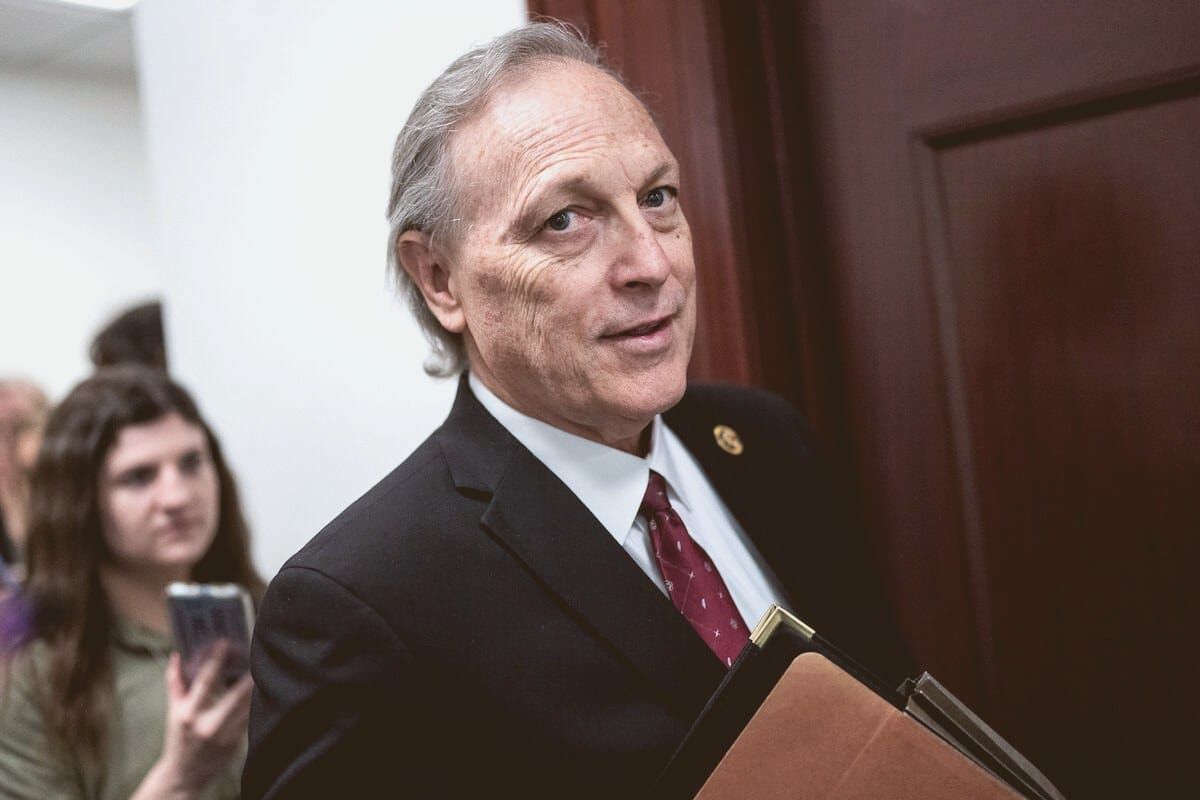
Andy Biggs, the Republican nominee for governor, spent part of his first term as an Arizona state senator trying to eliminate the state's Medicaid program entirely, acknowledging on the record that people with severe mental illnesses and developmental and physical disabilities would lose healthcare coverage as a result.
Biggs sponsored Senate Bill 1519 in early 2011. The legislation would have terminated the Arizona Health Care Cost Containment System on Oct. 1, 2011, replacing it with a Department of Health Services program budgeted at $1.2 billion, subject to the availability of funding, to cover behavioral healthcare and care for developmentally disabled and medically indigent residents.
AHCCCS cost roughly $10 billion that year. Arizona's share was about $2 billion; the federal government covered the rest. Under Biggs' plan, the state would have saved approximately $1 billion in 2012, but the corresponding reduction in federal funding would have been $4.8 billion, according to an analysis by the Joint Legislative Budget Committee.
Nearly 1.4 million Arizonans were enrolled in AHCCCS at the time. Biggs made clear his replacement program would serve only a fraction of them. He said one option might be to charge enrollees premiums to remain on the program, but characterized the enrollees as unwilling to pay. The proposal would not have fully covered even the nearly 100,000 severely mentally ill and developmentally and physically disabled people then relying on AHCCCS. Biggs said that was by design.
"You can't even cover them, because if you were to cover them, you have no savings," Biggs said during a Feb. 22, 2011, Senate Appropriations Committee hearing on his proposal.
Biggs framed the legislation as a response to what he described as an impending fiscal cliff driven by borrowing at the state and federal level following the Great Recession. The U.S. national debt stood at roughly $14.7 trillion at the time; Arizona faced a projected $1.1 billion deficit in 2013. During the hearing, he argued that allowing future generations to bear current healthcare costs amounted to poor stewardship, and he questioned what people who relied on AHCCCS had done before the program existed.
Members of his own party on the Appropriations Committee were skeptical. Republican Sen. Sylvia Allen, who supported eliminating Medicaid in principle, said there was no responsible way to do it in a matter of months. Moderate Republican Sen. Rich Crandall said he was certain the proposal would decimate rural hospitals that drew a large portion of their budgets from Medicaid patients. Biggs responded that doing something dramatic was the only way to force those institutions to engage seriously with the fiscal problem.
The bill passed out of the Appropriations Committee but did not reach the Senate floor.
Biggs has served in Congress since 2017. Last year he voted for the "One Big Beautiful Bill Act," projected to add at least $3.7 trillion to the national debt over the next decade while also cutting Medicaid and food benefits for low-income people. In August, when the national debt reached $40 trillion, Biggs issued a statement condemning unchecked federal spending and said he had sounded the alarm on fiscal cliffs since entering the House. He also voted in June against a bipartisan resolution ordering President Donald Trump to withdraw forces from Iran or seek congressional authorization; the Iran War has cost the U.S. more than $40 billion since it began in February.
When Biggs made his 2011 pitch, critics and local media noted that he could afford to live on an Arizona senator's $24,000 annual salary because he won a $10 million American Family Sweepstakes prize in 1993. Neither the Biggs campaign nor the campaign of Democratic Gov. Katie Hobbs commented for the Arizona Mirror story.
Nicholas Simões Machado, spokesman for the Copper State War Room, the coordinated campaign to reelect statewide Democrats in Arizona, called the 2011 proposal a dangerous scheme to close hospitals, drive up costs, and abolish Medicaid, and said Biggs' record made clear he would put every Arizonan's health and livelihood at risk.
The governor's race heads toward a November election with Biggs facing Hobbs.
Sources
Every factual claim in this article traces to one of the sources below. See how we work for the editorial process.
- azmirror.com retrieved 16/09/2026 01:53
Authored by The Scottsdale Signal. Drafted by AI from primary-source material under our beat-specific editorial guides; reviewed by humans before publish under our five-gate process. Sources retrieved at 16/09/2026 01:53. Every claim traces to a source.