Highlights
- 174 of 270 detained DACA recipients were deported in the first nine months of the Trump administration, according to the Arizona Mirror.
- Arizona AG Kris Mayes has joined multistate amicus briefs and intervention motions in at least two federal cases targeting DACA since February 2024.
- More than 18,000 DACA recipients live in Arizona; no new applications have been approved since 2021 due to ongoing litigation.
- Senate President Warren Petersen, a Republican AG candidate, did not respond to questions about whether he would join litigation to preserve DACA if elected.
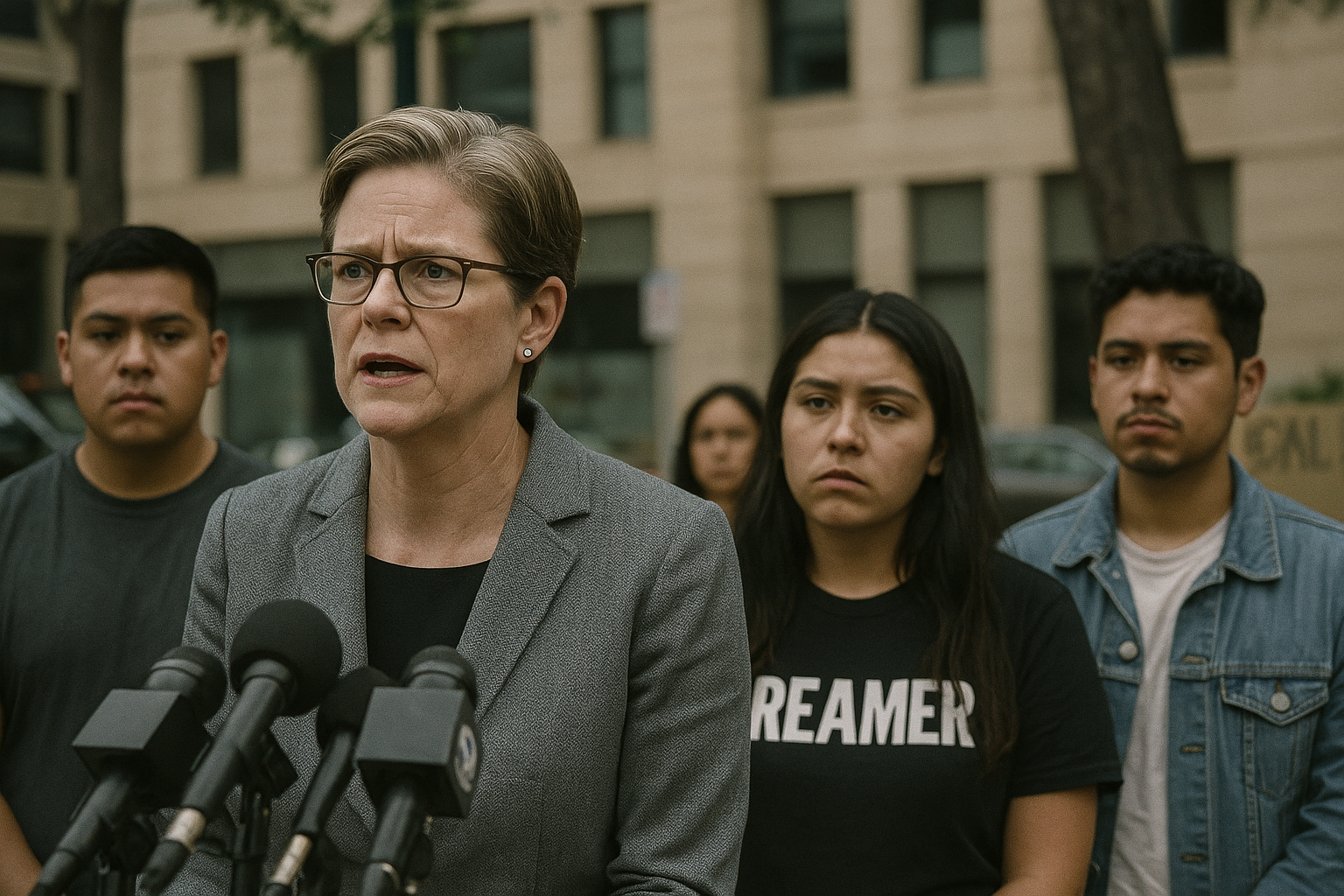
<p>Arizona Attorney General Kris Mayes used the 14th anniversary of the Deferred Action for Childhood Arrivals program to pledge continued legal defense of the state's more than 18,000 DACA recipients, as data shows 174 program members were deported in the first nine months of the Trump administration.</p> <p>Mayes spoke June 15 at a roundtable at the <a href="https://azmirror.com/2026/06/15/mayes-marks-daca-anniversary-by-vowing-legal-fight-as-trump-targets-dreamers/">Arizona Latino Arts & Cultural Center</a> in <a href="/entity/downtown/">downtown</a> Phoenix, where Dreamer students and immigrant advocates outlined the program's mounting legal and administrative pressures. The Trump administration has extended renewal processing timelines sharply, with some recipients losing jobs when their status lapsed. As many as 270 recipients were detained in the nine months since Trump took office; 174 were ultimately deported.</p> <p>The program, created in 2012, grants recipients a two-year reprieve from deportation and work-permit eligibility, but no new applications have been approved since 2021 because of litigation aimed at terminating it.</p> <p>Mayes has taken her office into federal court on the program's behalf twice in recent years. In February 2024, she joined 22 other attorneys general in an amicus brief to the 5th Circuit Court of Appeals urging preservation of DACA, pushing back against nine Republican states that argued the president lacks authority to shield childhood arrivals from deportation. The court kept the program in place but upheld a lower ruling blocking new applications. In January 2025, Mayes and 13 other attorneys general sought to intervene in a case that aimed to bar DACA recipients from purchasing health coverage through the Affordable Care Marketplace; later that year, the U.S. Department of Health and Human Services made DACA recipients ineligible for that coverage.</p> <p>Reyna Montoya, CEO of Aliento, an organization that advocates for Dreamers, told Mayes that her priorities include a congressional pathway to citizenship and state-level changes to open professional licenses to DACA recipients. Montoya, who holds DACA status herself, noted that Arizona does not require proof of citizenship to practice law or medicine, but nursing does require proof of citizenship or lawful alien status. She warned that even where licenses are currently available, processing delays and legal threats to the program create uncertainty for working professionals. "Right now, we're seeing DACA delays,</p>
Sources
Every factual claim in this article traces to one of the sources below. See how we work for the editorial process.
- azmirror.com retrieved 16/06/2026 02:13
Authored by The Scottsdale Signal. Drafted by AI from primary-source material under our beat-specific editorial guides; reviewed by humans before publish under our five-gate process. Sources retrieved at 16/06/2026 02:13. Every claim traces to a source.