Highlights
- Arizona Highways TV filmed a gallery walkthrough with Heard Museum Chief Curator Diana Pardue, now available to watch.
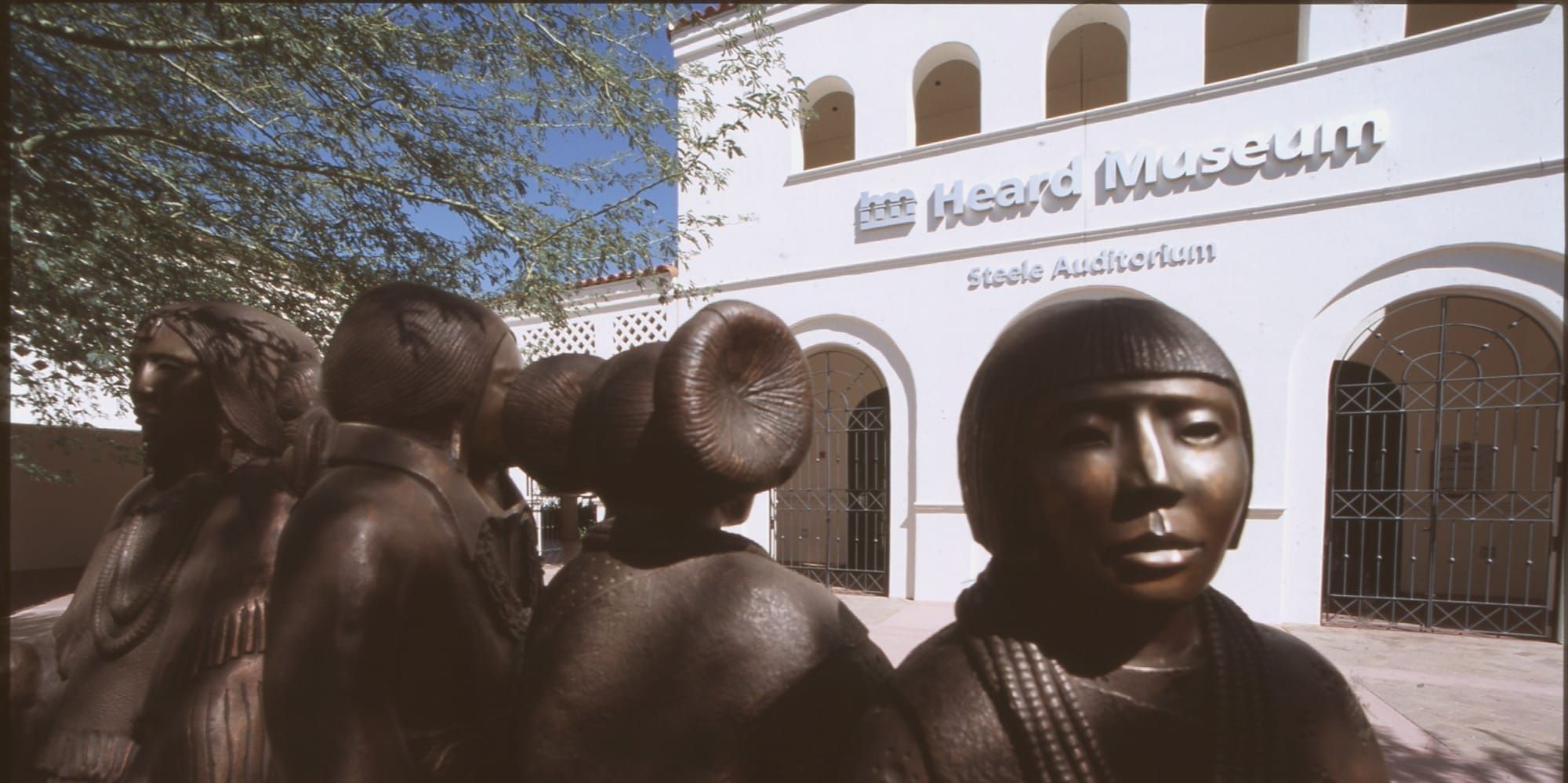
- The Heard, which opened in 1929, holds more than 40,000 objects representing American Indian Tribes and Canadian First Nations.
- Current exhibitions include 'Wisdom from the Future,' running through Dec. 6, 2026, and 'Blue Bird,' running through March 7, 2027.
- The museum's grounds include a sculpture garden and the American Indian Veterans National Memorial.
The Heard Museum has partnered with Arizona Highways TV for a filmed gallery conversation with Chief Curator Diana Pardue, tracing the institution's path from a couple's private collection to one of the country's most recognized repositories of Indigenous art.
When Maie and Dwight B. Heard moved to Arizona in 1895, they began acquiring Indigenous art and culture of the American Southwest. The museum they founded opened in 1929 as the first of its kind in Arizona and now holds a permanent collection of over 40,000 objects representing American Indian Tribes and Canadian First Nations, with a strong focus on Native people in Arizona and the Southwest. The collection spans baskets, beadwork, paintings, jewelry, and Katsina doll carvings, with galleries presenting both traditional and contemporary works by Indigenous artists from across North America.
The museum's outdoor installations include a sculpture garden and the American Indian Veterans National Memorial. Two ticketed exhibitions are currently on view: 'Wisdom from the Future,' running through Dec. 6, 2026, and 'Blue Bird,' through March 7, 2027. The museum shop carries authentic pieces made directly by American Indian artists.
The Arizona Highways TV segment is available now on the @AzHighwaysTV YouTube channel. Visitors planning a trip can find ticketing information at heard.org.
Sources
Every factual claim in this article traces to one of the sources below. See how we work for the editorial process.
Authored by The Scottsdale Signal. Drafted by AI from primary-source material under our beat-specific editorial guides; reviewed by humans before publish under our five-gate process. Sources retrieved at 11/06/2026 21:19. Every claim traces to a source.