Highlights
- Arizona's Erroneous Convictions Fund has been depleted by its 11 initial applicants, who collectively requested more than the $3 million allocated.
- A provision in the new state budget bars the fund from receiving additional appropriations, effectively ending the program.
- Rep. Khyl Powell, the Gilbert Republican who created the fund, failed to win a hearing for a bill that would have added $3 million through 2027.
- Scottsdale Republican Rep. Alexander Kolodin called the gutting of the fund 'a travesty' but still voted for the broader budget measure.
Arizona's first-ever Erroneous Convictions Fund, created just a year ago to compensate people wrongfully imprisoned by the state, is effectively finished. The $3 million allocated when Gov. Katie Hobbs and state lawmakers established the program last year has already been claimed by the fund's 11 initial applicants, who together requested more than the available balance. A provision tucked into the new state budget bars the fund from drawing on any money beyond its own depleted coffers.
Rep. Khyl Powell, the Gilbert Republican who secured unanimous support for the program in its first year, pushed for another $3 million to carry the fund at least through 2027. His bill never received a hearing. The budget process then confirmed there would be no additional cash.
Senate Majority Leader John Kavanagh, a Fountain Hills Republican, argued the program was always intended as seed money rather than a permanent appropriation. Kavanagh said the wrongful convictions were the work of county prosecutors, not the state, telling colleagues: "We're paying off wrongs committed by county prosecutors. The counties (are) responsible for compensating them."
Powell pushed back on that framing, noting the fund was designed precisely to spare exonerees from having to sue for relief. He also drew a pointed contrast with other legislative priorities, saying it was incomprehensible that the Legislature could find $500,000 for gambling-addiction programs while leaving people whose lives were destroyed by wrongful imprisonment without recourse.
As approved last year, the fund entitles those found factually innocent to financial relief equal to twice the median income for each of the 12 years they were incarcerated, along with counseling, job training, and up to four financial-planning classes in the first year. The legislation was retroactive, covering exonerations going back years. Legislative analysts had estimated 24 exonerations in Arizona since 1989, with an average of 5.6 years served.
Scottsdale Republican Rep. Alexander Kolodin called the defunding "a travesty," describing the fund as one of the greatest achievements of his legislative tenure and noting it was no small feat for Powell to push it through in his first year as a representative. Kolodin nonetheless voted for the broader budget measure of which the provision was a part.
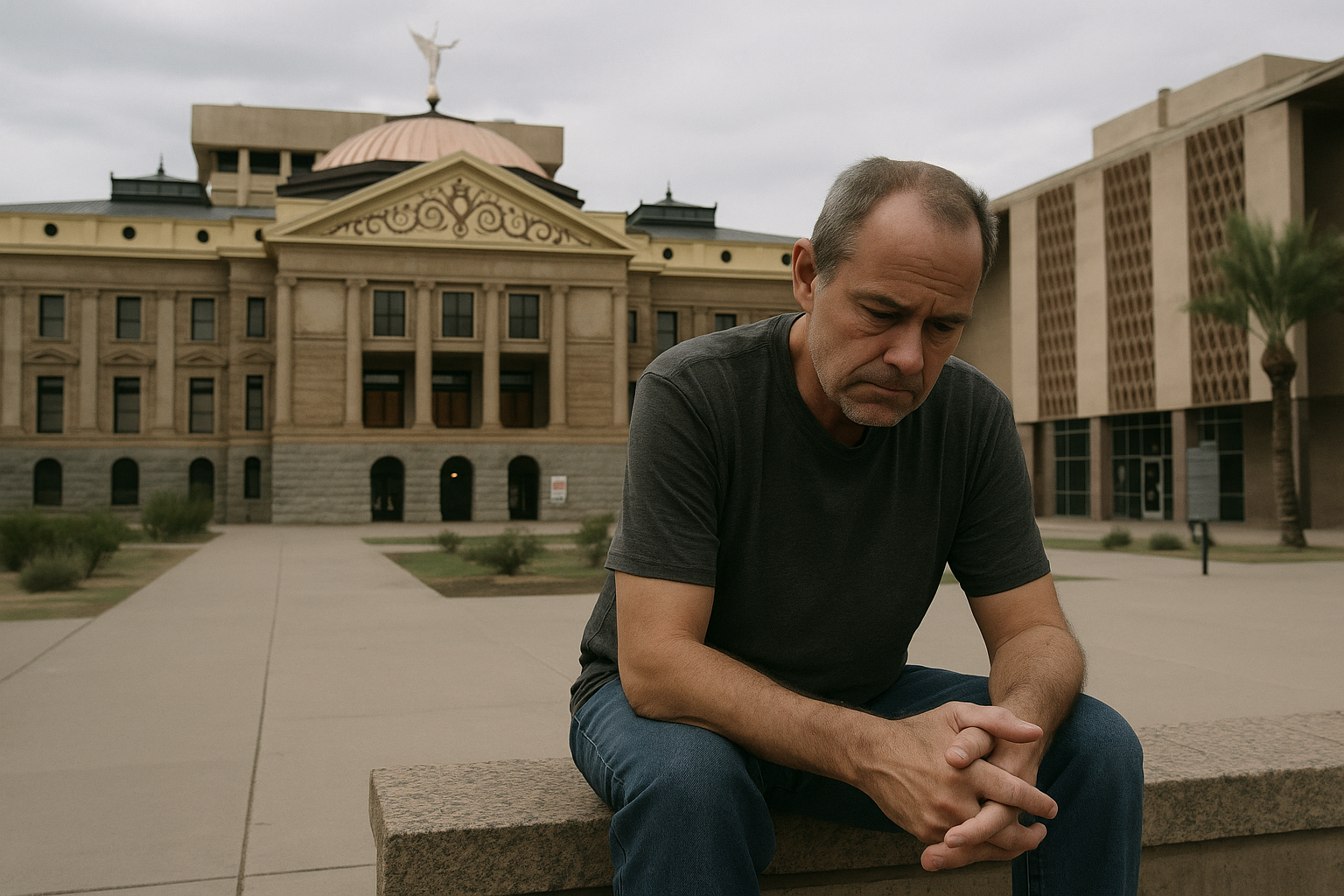
Without the fund, those holding wrongful-conviction claims will have no expedited path to compensation and will likely need to pursue the state in court, the outcome the program was built to prevent. Powell said Thursday that the Legislature had an obligation to help people "whose lives have been destroyed because we destroyed it through our criminal justice system."
The Arizona Capitol Times and KJZZ have both reported on the fund's financial strain. No further legislative action is scheduled.
Sources
Every factual claim in this article traces to one of the sources below. See how we work for the editorial process.
- azcapitoltimes.com retrieved 15/06/2026 23:43
Authored by The Scottsdale Signal. Drafted by AI from primary-source material under our beat-specific editorial guides; reviewed by humans before publish under our five-gate process. Sources retrieved at 15/06/2026 23:43. Every claim traces to a source.