Highlights
- The Arizona Supreme Court ruled 5-2 Tuesday that Proposition 144 may appear on the November ballot.
- Prop. 144 would constitutionally restrict voting to citizens, limit foreign-national election spending, and require ID for all voters.
- Dissenters Chief Justice Timmer and Justice Cruz said two provisions are not sufficiently interrelated to appear as a single measure.
- A separate fight over ballot language — pitting America First Legal against Secretary of State Adrian Fontes — now heads to the Supreme Court.
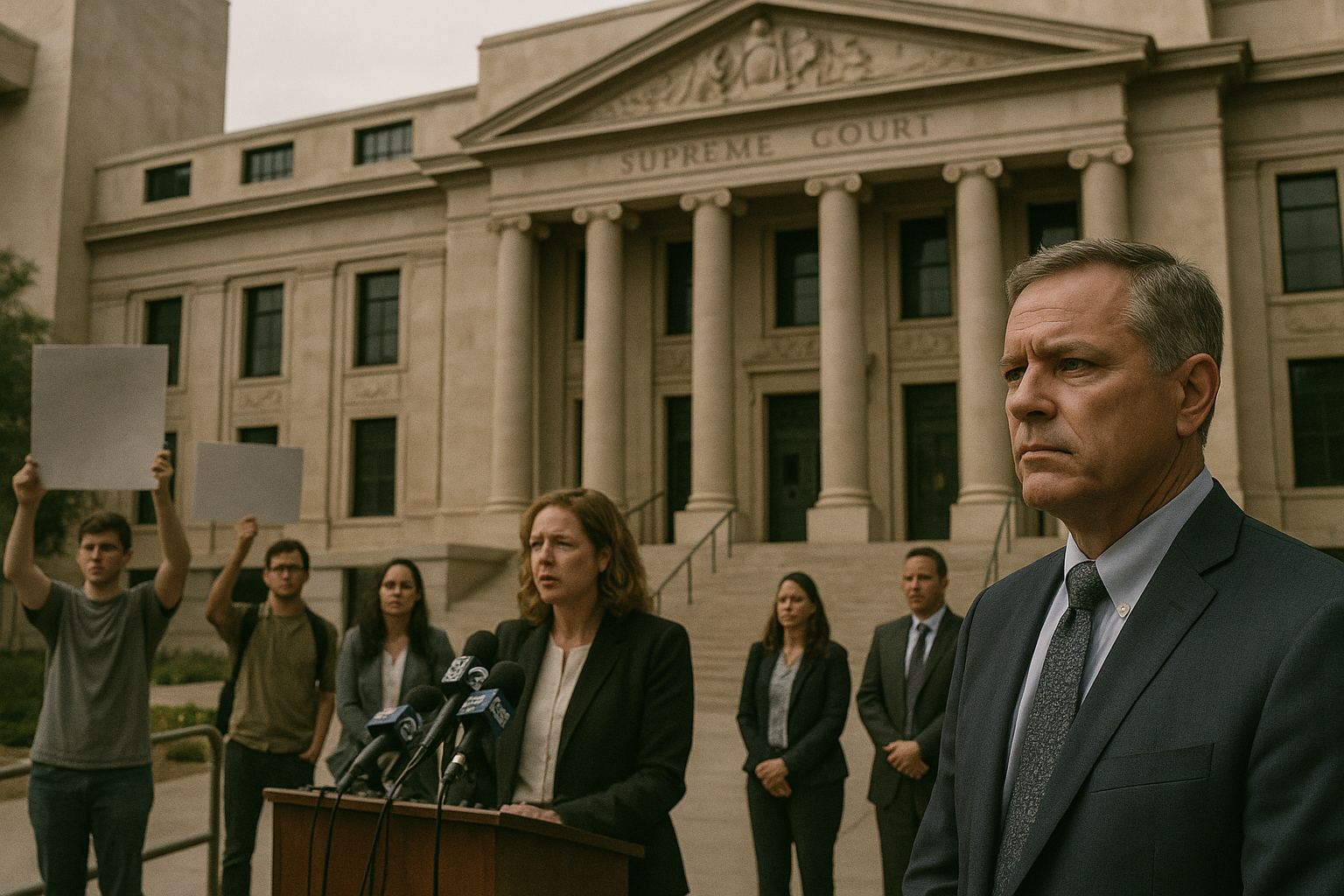
The Arizona Supreme Court ruled Tuesday that Proposition 144 will appear on the November ballot, rejecting opponents' argument that the measure bundled too many unrelated provisions into a single package.
Prop. 144 would add a provision to the Arizona Constitution stating that only citizens can vote. It would also restrict spending by foreign nationals to influence elections and require all voters to show identification when casting a ballot.
Writing for the majority, Justice John Lopez held that the provisions belong together. "These provisions are interrelated because each regulates the same context — the conduct of public elections," Lopez wrote. The ruling was confirmed by Arizona Capitol Times and corroborated by AZ Mirror and Ballotpedia.
Chief Justice Ann Scott Timmer and Justice Maria Elena Cruz dissented, arguing that two of the measure's provisions, one requiring early ballots to be tabulated on site when dropped off, and another giving lawmakers broad powers to enact new election law, are not sufficiently interrelated to be packaged with the rest. "Voters should be permitted to consider [the two sections] separately," they wrote, adding that combining them violates state constitutional requirements prohibiting disparate subjects from appearing in a single ballot measure.
Tuesday's ruling addresses only ballot placement. What voters will be told about Prop. 144 remains unresolved. The conservative advocacy group America First Legal contends that Democratic Secretary of State Adrian Fontes is using language designed to steer voters against the GOP-crafted measure. A trial judge rejected those claims, and America First Legal is now seeking Supreme Court review.
For Scottsdale and Paradise Valley property owners with business interests tied to state contracting, donor compliance, or corporate governance, the foreign-spending provision carries direct relevance: any entity with foreign-national principals that has made Arizona election expenditures would face new constitutional exposure if the measure passes.
The Supreme Court's review of the ballot-language dispute is the next procedural gate before November.
Sources
Every factual claim in this article traces to one of the sources below. See how we work for the editorial process.
- azcapitoltimes.com retrieved 18/08/2026 22:25
Authored by The Scottsdale Signal. Drafted by AI from primary-source material under our beat-specific editorial guides; reviewed by humans before publish under our five-gate process. Sources retrieved at 18/08/2026 22:25. Every claim traces to a source.