


Highlights
- Banner Sun Health Research Institute in Sun City processed and analyzed plasma samples for the landmark JAMA study.
- Researchers detected elevated eMTBR-tau protein in 16 former NFL players with advanced CTE, out of 21 total subjects studied.
- The blood test is not FDA-approved and researchers caution findings are preliminary, pending larger validation studies.
- A separate research group published corroborating findings in JAMA on Nov. 13, strengthening the case for the biomarker.
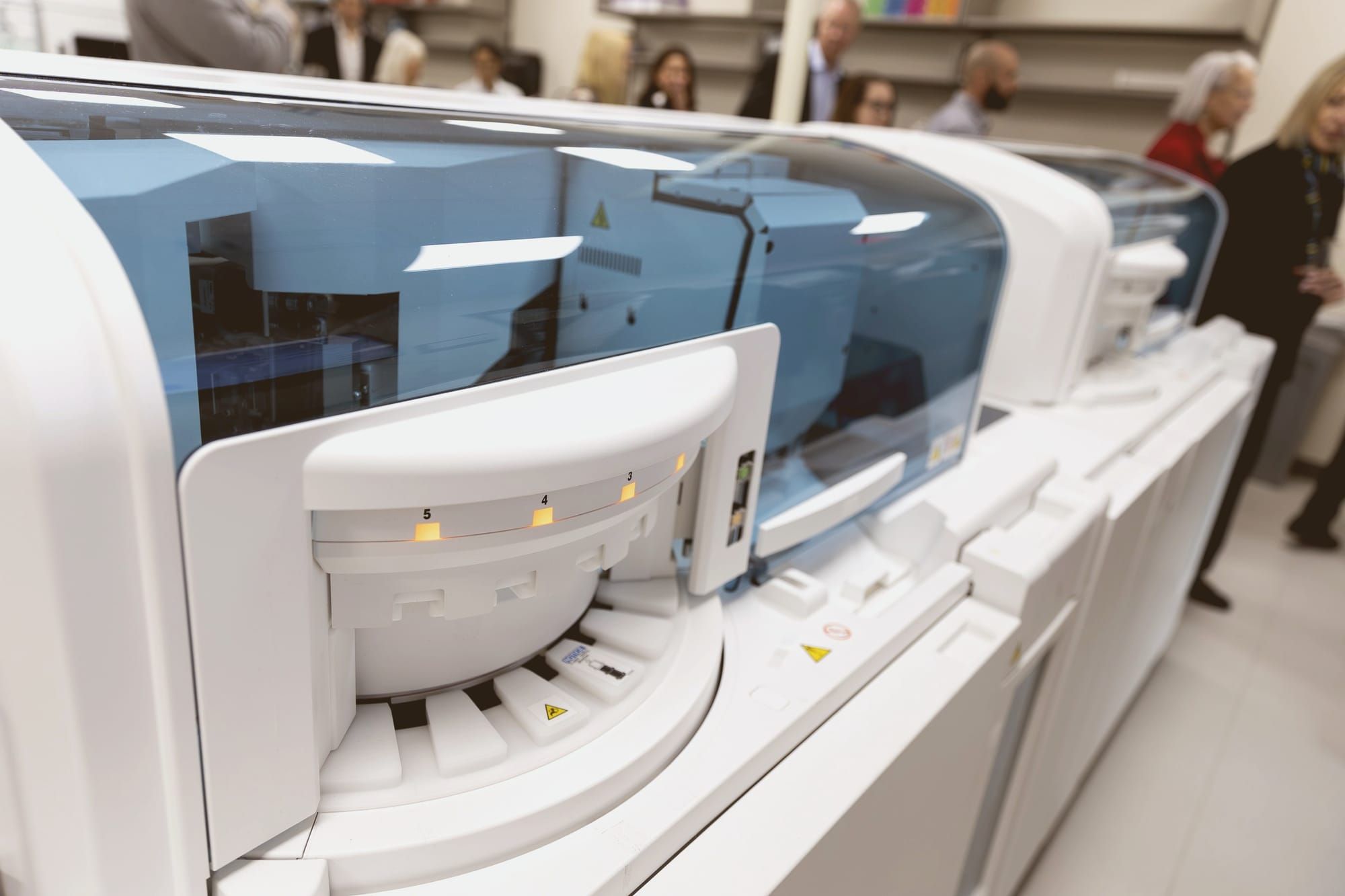
A blood test may one day detect advanced chronic traumatic encephalopathy in living people, according to a study published Thursday in The Journal of the American Medical Association by researchers from Boston University and Banner Health, the Phoenix-based health system. The Banner Sun Health Research Institute in Sun City played a key role: its Fluid Biomarker Program lab helped process and analyze the plasma samples.
The study is the first to detect CTE neuropathology using only a blood test, according to the researchers, who caution the finding is preliminary. Until now, CTE could be accurately diagnosed only after death, through direct examination of the brain.
The team studied blood from 21 former American football players who had given blood while alive and later donated their brains to the BU CTE Center Brain Bank after they died. Of the 21, 18 had CTE when their brains were examined post-mortem. Sixteen of those 18 had advanced CTE (McKee stage 3 or 4); two had low-stage CTE (McKee stage 1 or 2). Three players had no CTE.
Researchers measured blood levels of a protein called endogenously cleaved microtubule-binding region tau, or eMTBR-tau, a marker of the tau tangles that build up in the brain and are also found in Alzheimer's disease. Levels were significantly higher in players with high-stage CTE than in those with low-stage CTE or no CTE.
What does this mean for CTE diagnosis?
Nicholas Ashton, PhD, co-senior author and senior director of Banner Health's Fluid Biomarker Program, drew a parallel to Alzheimer's research, where blood tests cleared by the FDA have transformed diagnosis and clinical trial design. Michael Alosco, PhD, corresponding and co-senior author and co-director of clinical research at the BU CTE Center, called the result "a game changer" in a written statement, while noting the small sample size and the need for validation studies before the test could be used clinically.
Researchers acknowledged several limitations: the small cohort, limited representation of low-stage CTE cases, and no age-matched controls. A separate study published Nov. 13 in JAMA, from a different research group, also found elevated eMTBR-tau243 in people with autopsy-confirmed CTE, providing independent corroboration. NBC Boston and People magazine both reported on the findings Thursday.
The blood test is not currently FDA-approved and is not available to the public. Validation studies are the next required step before it can be used in diagnostic decisions.
Sources
Every factual claim in this article traces to one of the sources below. See how we work for the editorial process.
- AZ Family (3TV/CBS5) retrieved 19/11/2026 22:24
Authored by The Scottsdale Signal. Drafted by AI from primary-source material under our beat-specific editorial guides; reviewed by humans before publish under our five-gate process. Sources retrieved at 19/11/2026 22:24. Every claim traces to a source.

