Highlights
- Christopher Hoopes pleaded guilty November 16 to negligent homicide in the 2022 shooting death of his wife Colleen, a Ballet Arizona dancer.
- The plea reduces his original second-degree murder charge; the agreed sentence is four years in prison.
- Maricopa County Attorney Rachel Mitchell cited substantial new information as a factor in the deal, without elaborating while sentencing remains pending.
- The court could still reject the agreed sentence at the December 16 hearing, and either party could then withdraw from the agreement.
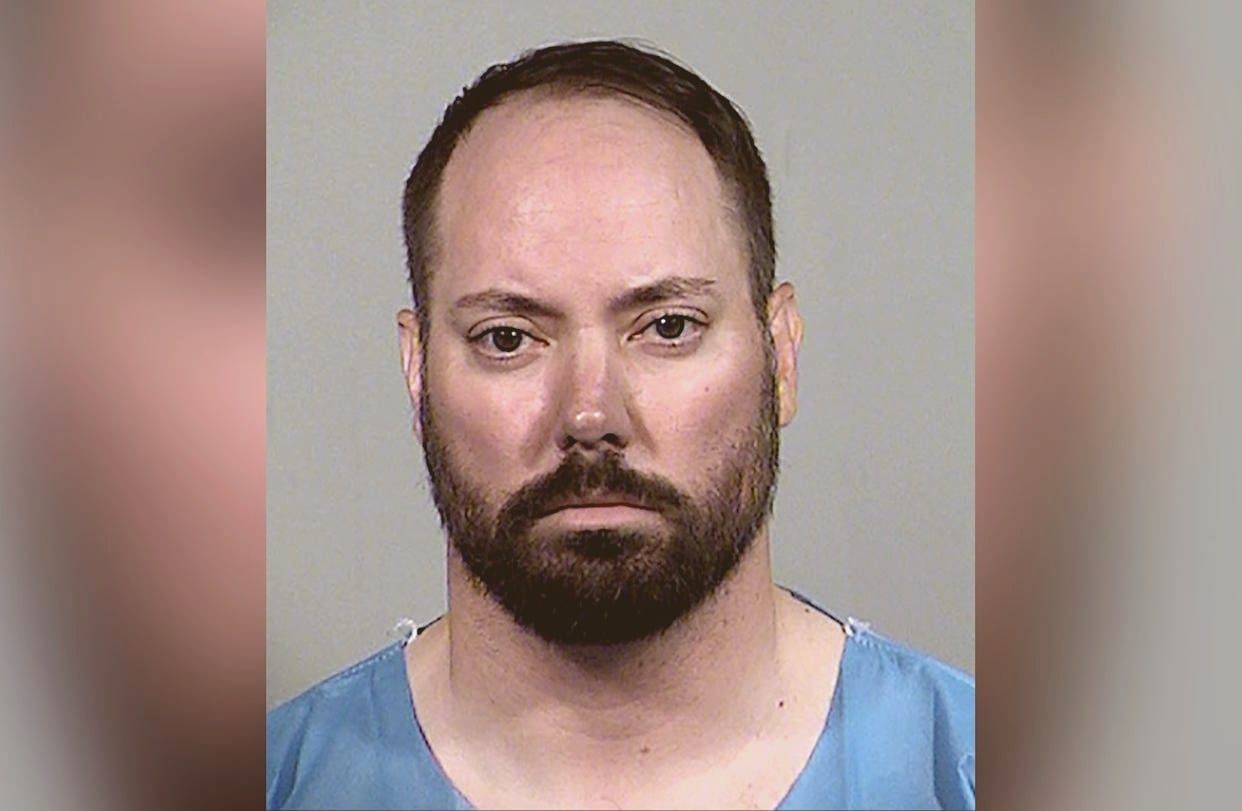
Christopher Hoopes, the Tempe man charged with second-degree murder in the 2022 shooting death of his wife Colleen, a Ballet Arizona dancer, pleaded guilty November 16 to the lesser charge of negligent homicide under a plea agreement calling for four years in prison. The judge accepted the plea but has not yet sentenced him. Sentencing is scheduled for December 16 at 9:30 a.m., at which point the court could reject the agreed sentence, and either party could then withdraw from the agreement.
Hoopes told police he thought Colleen was an intruder when he shot her inside their Tempe home on May 20, 2022. He called 911 after the shooting and reported that he had shot his wife accidentally. He told dispatchers he had woken up startled and agreed when asked whether he thought Colleen was an intruder, according to a transcript of the call. Colleen Hoopes was taken to a hospital, where she died.
A detective later reported that a neighbor's surveillance recording captured two gunshots, and police said evidence was consistent with Hoopes firing from the foot of the bed toward the side where Colleen had been. Investigators reviewed text messages and smartwatch data and spoke with people who knew the couple. A police report describes concerns about controlling behavior. One dancer told police that Colleen had said Hoopes slapped her during an argument about a year before her death.
Why was the charge reduced?
Arizona law defines negligent homicide as causing a death through criminal negligence, failing to perceive a substantial, unjustifiable risk in a way that is a gross departure from reasonable care. Second-degree murder carries different legal requirements, including intentional or knowing conduct or reckless conduct showing extreme indifference to human life. At the plea hearing, Hoopes' attorney presented a factual basis stating that Hoopes fired without identifying the person in front of him. Under the plea agreement, the state agreed to dismiss an unlawful-discharge count.
Maricopa County Attorney Rachel Mitchell said at a November 18 press conference that her office learned additional information during the investigation and described it as substantial, but said she could not elaborate while sentencing was pending. She also said Colleen's next of kin was aware of the facts and approved the plea offer. Colleen's sister, Michaela Buckley, confirmed that statement and spoke with Arizona's Family about the impact Colleen had on friends, colleagues and dance students. Buckley said the family was trying to find relief while recognizing that the case was not yet over.
A separate thread in the case involves medication. A February 2026 defense disclosure listed potential experts on medication and sleep. The filing says montelukast had been prescribed to Hoopes before the shooting, but it does not establish whether he took it that day or whether it affected him. Montelukast is a prescription medication used for asthma and allergies; the U.S. Food and Drug Administration requires a boxed warning about serious mental health side effects reported by some patients, including hallucinations. A Tempe police report says the lead investigator requested additional quantitative testing of Hoopes' blood in April 2026, including for montelukast, testosterone and anabolic steroids, and that Mesa's forensic lab could not perform the specific testing requested. Mitchell said there had been an investigation into whether the blood test would have yielded helpful results.
The December 16 sentencing hearing will determine whether the four-year term holds or whether the parties return to litigation.
Sources
Every factual claim in this article traces to one of the sources below. See how we work for the editorial process.
- AZ Family (3TV/CBS5) retrieved 20/11/2026 04:09
Authored by The Scottsdale Signal. Drafted by AI from primary-source material under our beat-specific editorial guides; reviewed by humans before publish under our five-gate process. Sources retrieved at 20/11/2026 04:09. Every claim traces to a source.