


Highlights
- Climate scientists say a 'Super El Niño' forming in the Pacific could be the largest ever recorded, worsening Arizona's already extreme summers.
- Phoenix logged 113 consecutive days at or above 100 degrees in 2024, the longest such run ever recorded, surpassing 76 days in 1993.
- Arizona's annual average temperature has risen 3.4 degrees Fahrenheit since 1970 while annual precipitation has dropped 2.7 inches, according to Climate Central.
- Researchers also flag rising wildfire risk, vector-borne illness, and Valley fever as compounding threats heading into summer 2026.
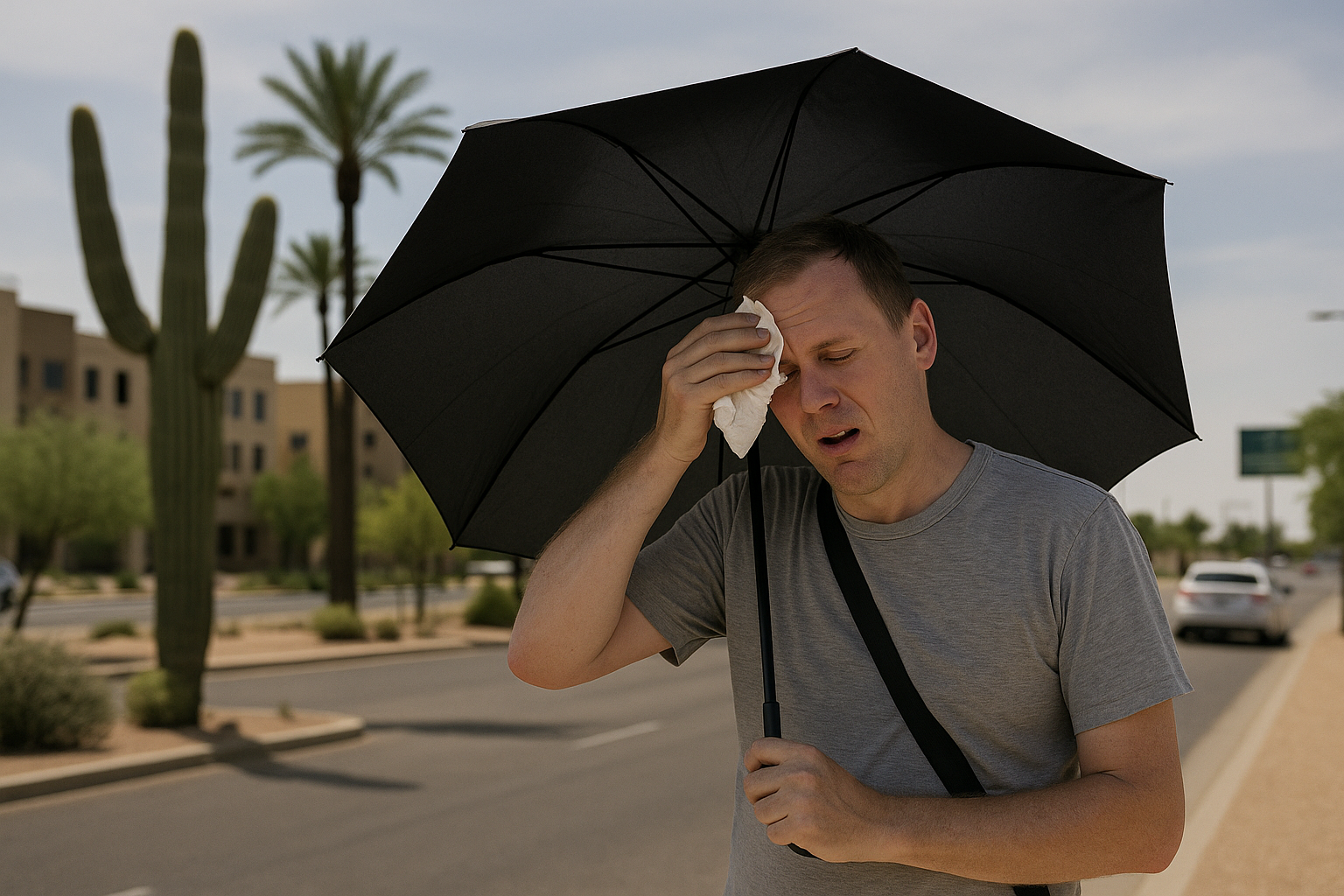
A record-breaking El Niño forming in the Pacific Ocean could push Arizona's summers past the extremes of 2024, when Phoenix sat at or above 100 degrees for approximately 30% of the year, climate scientists warned Wednesday.
Shel Winkley, a meteorologist at Climate Central, called the developing pattern one of the biggest weather stories in recent memory, speaking as part of a panel organized by Climate Action Campaign. The El Niño currently forming is breaking all records and could be the largest ever, potentially creating unprecedented weather extremes, according to Winkley.
Phoenix experienced 113 consecutive days of 100 degrees or hotter in 2024, the longest run ever recorded. The next highest was 76 days in 1993, followed by 66 days in 2023. Arizona's annual average temperature has shifted 3.4 degrees Fahrenheit since 1970, while annual precipitation has dropped 2.7 inches over the same period, Winkley said, citing Climate Central data.
Michael Crimmins, a climate science professor at the University of Arizona, told reporters he believes any increased precipitation is likely to be delayed to late August or early September, based on his analysis of past El Niño years.
Juan Declet-Barreto of the Union of Concerned Scientists labeled this summer the "triple danger season," pointing to a weakened National Oceanic and Atmospheric Administration still absorbing staffing cuts, reduced FEMA capacity, and rising housing and energy costs. Trump's administration has proposed to cut NOAA by 40% ahead of hurricane season.
Beyond heat, researchers flagged compounding risks: the number of days Arizona faces wildfire danger has increased between 40 to 60 extra days a year due to drier conditions, Winkley said. Valley fever cases are also expected to rise, as heat, dry conditions, and construction in desert areas accelerate the spread of the airborne fungus that causes the disease.
Forecasts for summer 2026 show the state is likely to experience drier and hotter temperatures, with potential for increased precipitation toward the tail end of the summer, according to the Arizona Mirror.
Sources
Every factual claim in this article traces to one of the sources below. See how we work for the editorial process.
- azmirror.com retrieved 28/05/2026 15:36
Authored by The Scottsdale Signal. Drafted by AI from primary-source material under our beat-specific editorial guides; reviewed by humans before publish under our five-gate process. Sources retrieved at 28/05/2026 15:36. Every claim traces to a source.

