


Highlights
- Lake Powell sits at 24% capacity and Lake Mead at 29%, with seven states still fighting over Colorado River water rights.
- The National Weather Service puts a 63% chance on sea surface temperatures exceeding the 2-degree Celsius threshold that defines a 'very strong' El Niño.
- California has pre-positioned more than 4.3 million sandbags and 400,000 tons of rock for emergency levee repairs ahead of expected flooding.
- Forecasters warn one wet winter is unlikely to end a historic Western drought without precipitation matching or exceeding the catastrophic 1957-1958 season.
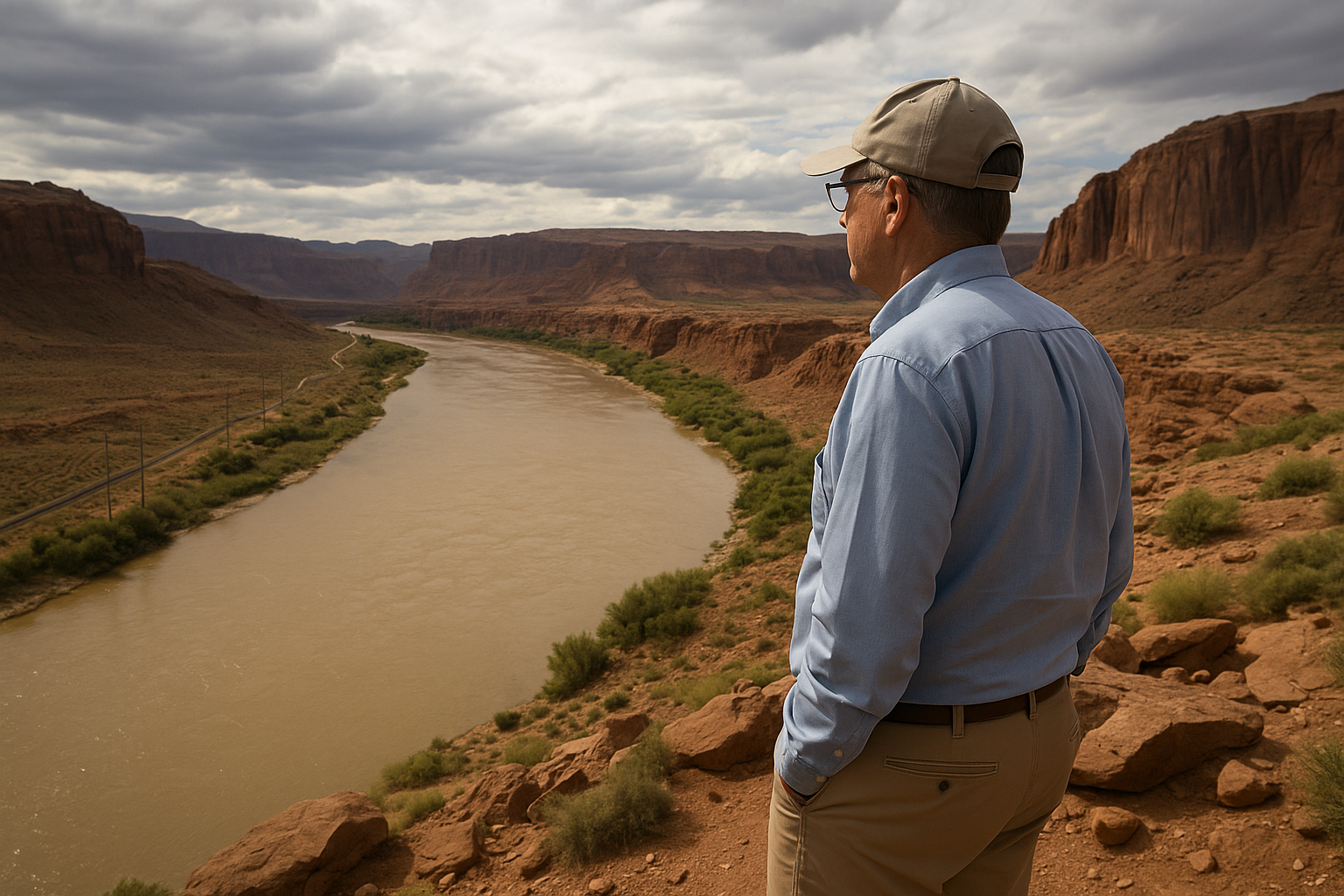
Lake Powell, the reservoir that supplies hydropower and water to tens of millions of Americans across seven states, is sitting at 24% capacity. Lake Mead, outside Las Vegas, is at 29%. An unusually strong El Niño system now developing in the tropical Pacific Ocean may be the best near-term hope for relief, but forecasters are cautioning that the math is daunting.
The National Weather Service reported last month that an El Niño system has formed, with forecasters putting a 63% chance that sea surface temperatures will exceed 2 degrees Celsius above average, the threshold past which the National Oceanic and Atmospheric Administration classifies a system as "very strong." The World Meteorological Organization, a United Nations body, separately forecast an 80% likelihood of an El Niño event between June and August, rising to 90% through at least November, according to Arizona Capitol Times reporting by Brock Blasdell.
For Arizona, the stakes are direct. The Central Arizona Project, which administers Colorado River water for the state, shows reservoirs nearing dangerously low levels. El Niño systems historically push the jet stream south, creating wetter-than-normal conditions from California through the Dust Bowl to the Gulf Coast, conditions that, if they materialize, could add snowpack and runoff to a river system running near record lows.
The catch: the National Integrated Drought Information System said in a March forecast that to meaningfully relieve drought conditions, the El Niño system would have to match or exceed the exceptionally wet winter of 1957-1958, when historic floods caused fatalities and what forecasters described as "devastating destruction."
Western states aren't waiting. California's Department of Water Resources has pre-positioned 209 flood-fight material containers across 68 locations statewide, holding more than 4.3 million sandbags, 55,000 super sacks, and more than 400,000 tons of rock for emergency levee repairs. The State-Federal Flood Operations Center, based in Sacramento, is already coordinating with local and regional emergency response agencies.
FEMA has separately pre-positioned meals, water, generators and other response supplies at distribution centers nationally, citing not only the El Niño threat but the ongoing hurricane season, the World Cup, and the nation's 250th anniversary celebrations.
National Weather Service director Ken Graham noted in a statement that forecasting has improved substantially: "Every El Niño is not the same; each one is unique with its own imprint on our weather. Advanced monitoring and an improved understanding of El Niño patterns allow the NWS to better predict and better prepare the public and our core partners for what is to come."
One upside for the Atlantic Coast: El Niño systems tend to suppress hurricane development, and NOAA in May predicted a below-normal Atlantic hurricane season.
The National Weather Service expects updated El Niño strength assessments as summer progresses.
Sources
Every factual claim in this article traces to one of the sources below. See how we work for the editorial process.
- azcapitoltimes.com retrieved 06/07/2026 17:54
Authored by The Scottsdale Signal. Drafted by AI from primary-source material under our beat-specific editorial guides; reviewed by humans before publish under our five-gate process. Sources retrieved at 06/07/2026 17:54. Every claim traces to a source.

