


Highlights
- Lake Powell rose more than 20 feet from its mid-September low, dwarfing gains from this year's snowmelt.
- Floodwaters could ultimately add over 1.2 million acre-feet to the reservoir, enough to supply roughly 4 million families for a year.
- Despite the surge, 15 of Powell's 17 boat launches remained unusable as of Friday and the region stays in drought.
- Federal water managers say they won't adjust Colorado River releases until snowpack peaks, typically around April.
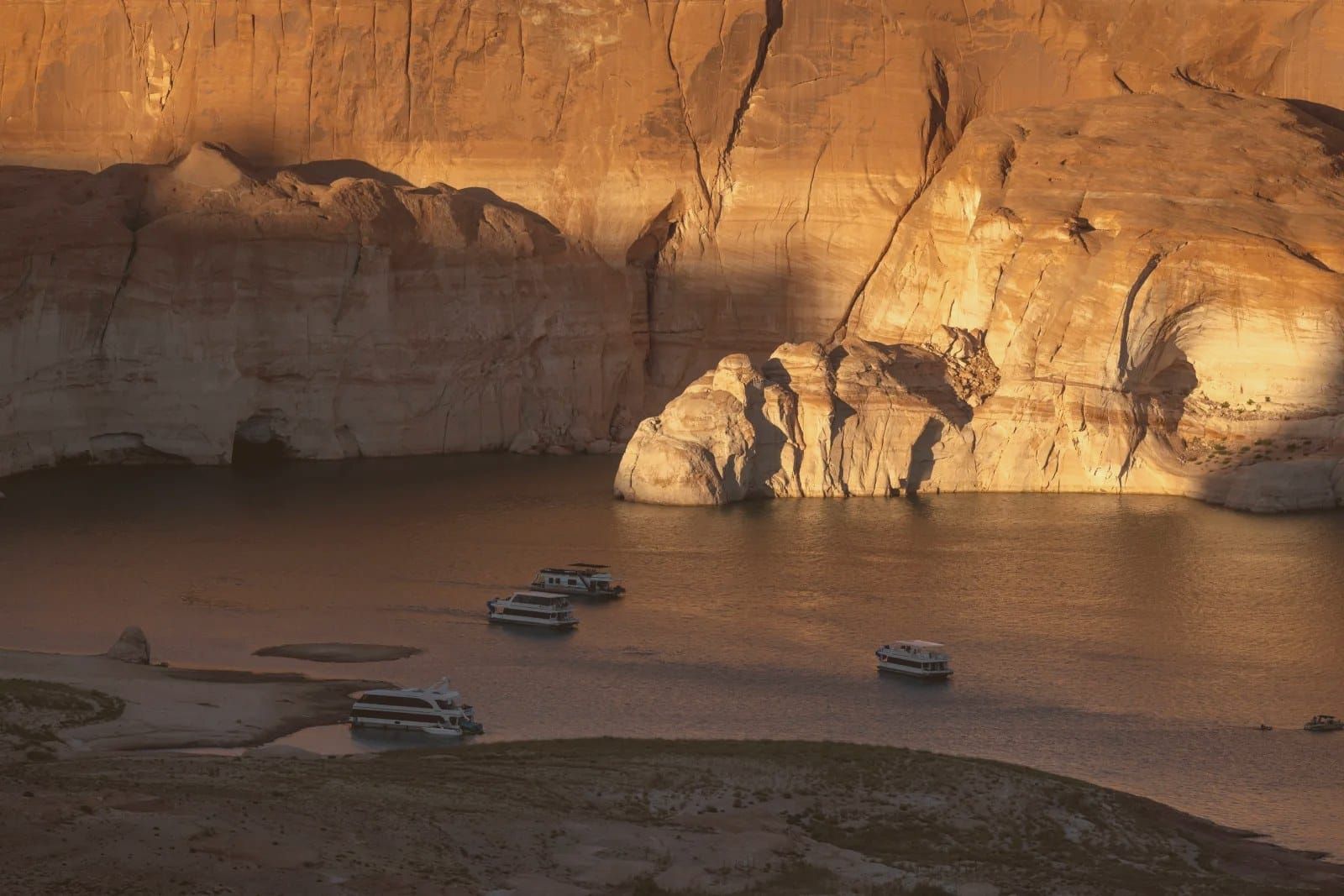
Lake Powell, the second-largest reservoir in the U.S., has risen more than 20 feet from its mid-September low after late-October and early-November flooding swept through the Southwest, according to the Associated Press via Arizona's Family.
Martin Hoerling, a climate scientist and hydrologist at the University of Colorado, Boulder, called the surge "somewhat of an unexpected boost from Mother Nature." The floodwaters and additional rain could raise the lake along the Arizona-Utah border further, for a total of over 1.2 million acre-feet, enough to support around 4 million average families for a year, Hoerling estimated. Still, the lake remained just over a quarter full, and 15 of its 17 boat launches remained unusable as of Friday.
El Niño intensified the heavy rain and floods, and experts say its impacts will last several more months, potentially further boosting water supplies across the West. Last winter's lackluster snowfall did little to recharge water bodies when it melted in the spring and summer.
In central Arizona, heavy floodwaters fed the Verde River, prompting the Salt River Project to release water from two nearly full dams into the Verde's normally dry stretch in metro Phoenix, said Bo Svoma, the principal meteorologist at the Salt River Project. Some Arizona cities have agreed to fund preliminary work to expand an existing dam on the Verde River to capture runoff from storms, Svoma said.
Upper Lake Mary, which supplies Flagstaff with up to 40% of its water, received more than 3 billion gallons since early October, said Flagstaff water production manager Brian Huntzinger. Storms last weekend dumped the equivalent of more than two years of water into the town's surface water supply.
Despite the relief, the U.S. Bureau of Reclamation is unlikely to change its water releases from Lake Powell until snowpack peaks, typically around April, said Jack Schmidt, a Utah State University professor who studies the Colorado River. Reclamation spokesperson Mary Carlson said "considerable uncertainty remains." Under the existing federal plan, California, Nevada and Arizona will collectively reduce Colorado River water use by 1.25 million acre-feet annually over the next two years; Nevada and Arizona are challenging the plan in court.
Snowpack data expected around April will determine whether federal managers adjust releases from Powell.
Sources
Every factual claim in this article traces to one of the sources below. See how we work for the editorial process.
- AZ Family (3TV/CBS5) retrieved 08/11/2026 15:40
Authored by The Scottsdale Signal. Drafted by AI from primary-source material under our beat-specific editorial guides; reviewed by humans before publish under our five-gate process. Sources retrieved at 08/11/2026 15:40. Every claim traces to a source.

