Highlights
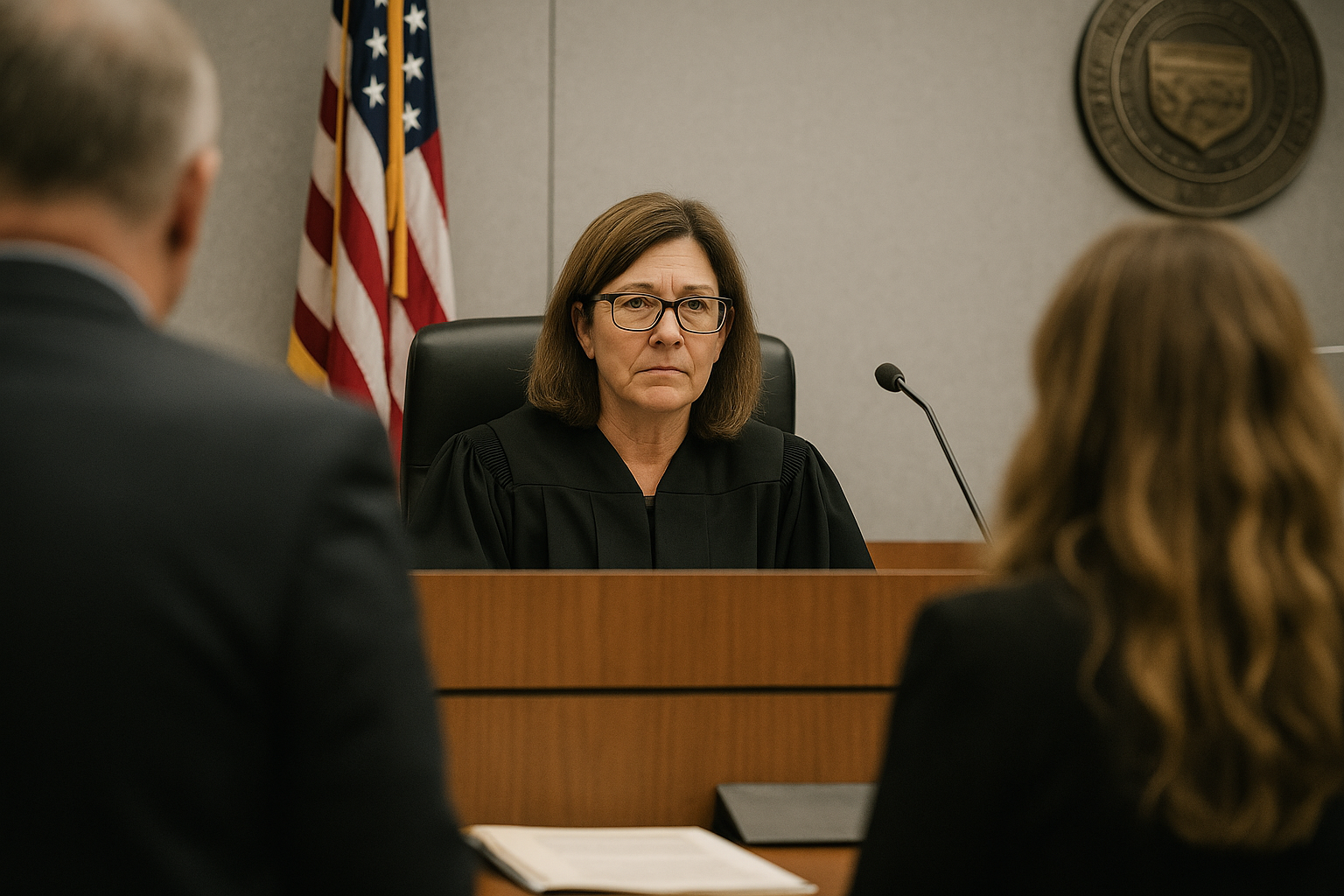
- Maricopa County Superior Court Judge Julie Mata took under advisement a challenge to HCR 2044's ballot eligibility after a July 16 hearing.
- Plaintiffs argue the measure violates the separate amendment rule by pairing an established anti-discrimination provision with new DEI restrictions.
- The attorney general and secretary of state declined to defend the measure; the Legislature's attorney argued all provisions aim at ending discrimination.
- The ACLU of Arizona has signaled a separate First Amendment challenge if the measure survives the ballot-qualification fight.
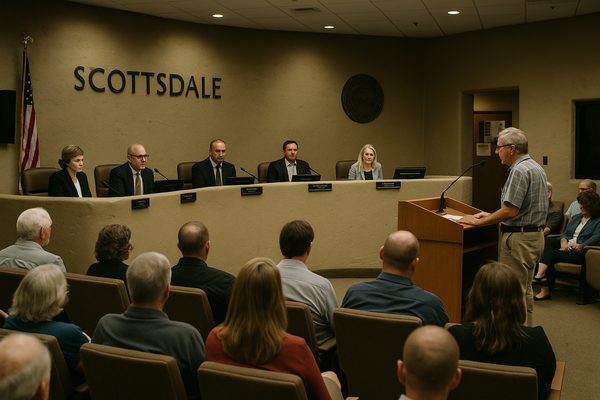
A Maricopa County judge is deciding whether House Concurrent Resolution 2044, a measure that would broadly ban diversity, equity, and inclusion programs in Arizona government, is legally eligible to appear on the November ballot, a ruling that could determine whether the state's voters ever get to weigh in.
Judge Julie Mata of Maricopa County Superior Court took the matter under advisement after hearing arguments July 16. The measure, sponsored by House Speaker Steve Montenegro and referred to voters by the Republican majority this session, would amend the state Constitution to extend Arizona's existing ban on preferential treatment and discrimination based on race or ethnicity. It would go further by barring public institutions from requiring or providing training on DEI, prohibiting K-12 schools and universities from using public money to influence the composition of faculty or student bodies, and banning any public body from enacting policy or mandating training that references race, ethnicity, sex, or sexual orientation.
The progressive political action committee Will of the People and an elector filed suit June 22, arguing HCR 2044 violates the separate amendment rule, which bars ballot measures from bundling unrelated provisions in the same act. Their attorney, Josh Barro, contended the measure pairs a noncontroversial, already-enacted prohibition on discriminatory treatment with what he called smuggled anti-DEI provisions that contradict the measure's stated purpose. "If you can't mention race, or you can't train your employees to be mindful of diversity, or pursue equity in the workplace, you are literally promoting discrimination," Barro told the court.
Kory Langhofer, representing the Legislature, pushed back, arguing the provisions do not replace existing constitutional language but instead close a loophole and build out specific examples of prohibited discrimination. He contended every component of the measure points in the same direction: ending discrimination and governmental bias.
Both the attorney general and the secretary of state declined to defend the measure, leaving the Legislature to mount its own defense.
Who is backing HCR 2044?
The Goldwater Institute is a primary backer of the measure. The organization released a report in April claiming Arizona's public universities were requiring DEI content in courses including "Anthropology of American Democracy," "Surveillance and Society," "Introduction to Military Studies," and "Current Issues in National Politics," while failing to meet academic standards set by the Arizona Board of Regents.
The ACLU of Arizona has already staked out opposition, arguing HCR 2044 restricts academic freedom, violates First Amendment rights of students, teachers, and administrators, and targets viewpoints based on race, sex, and discrimination. Policy director Darrell Hill said in a statement that ideas are not illegal and that the state cannot adopt a policy that punishes faculty or students for expressing their beliefs or prohibits wide scopes of ideas from being debated at universities. The ACLU's objections signal a separate legal challenge to the measure's substance if it clears the ballot-qualification hurdle.
Judge Mata's ruling on ballot eligibility is expected before the November election filing deadline.
Sources
Every factual claim in this article traces to one of the sources below. See how we work for the editorial process.
- azcapitoltimes.com retrieved 16/07/2026 23:19
Authored by The Scottsdale Signal. Drafted by AI from primary-source material under our beat-specific editorial guides; reviewed by humans before publish under our five-gate process. Sources retrieved at 16/07/2026 23:19. Every claim traces to a source.