


Highlights
- Arizona AG Kris Mayes settled a two-year lawsuit July 1 over ESA voucher documentation rules, dropping the requirement that parents prove supplemental materials are curriculum-required.
- Under the settlement, ESA parents must sign an attestation that purchased materials will be used by their student, and supply the name of the supporting curriculum.
- The ESA program now enrolls more than 100,000 students at an annual cost of about $1 billion, open to all of Arizona's roughly one million K-12 students.
- Voters will likely decide in November whether to add restrictions to the program, with competing ballot measures already facing legal challenges.
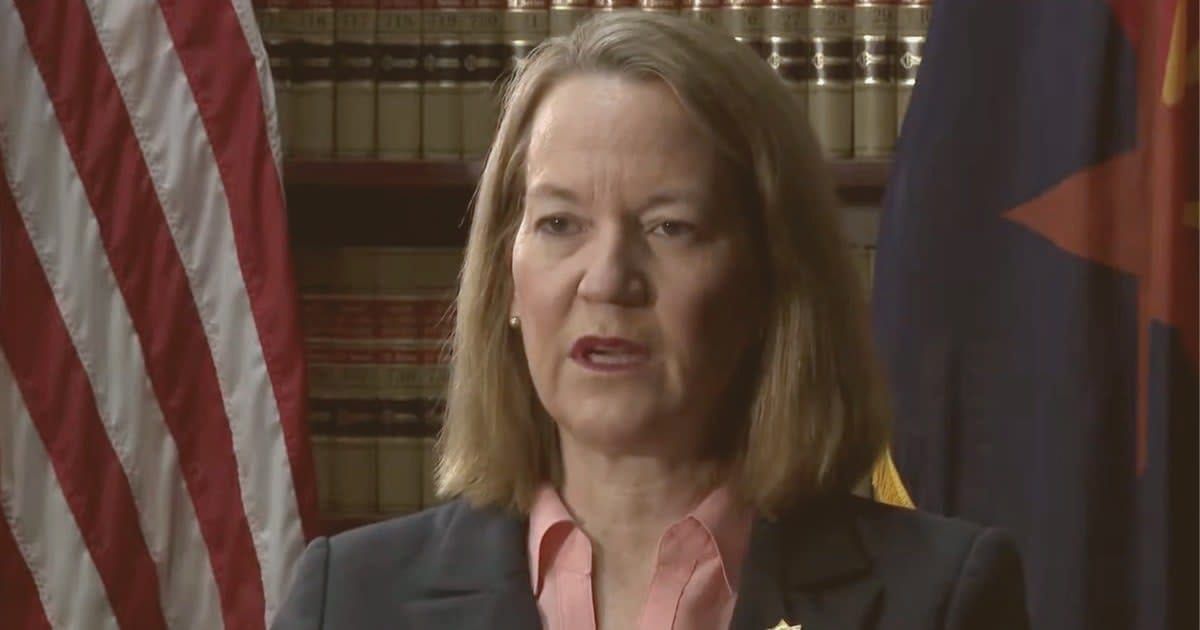
Arizona Attorney General Kris Mayes settled a two-year legal fight over the state's Empowerment Scholarship Account program on July 1, agreeing to drop a requirement that parents prove supplemental educational materials are tied to a specific curriculum, the Arizona Mirror reported.
The lawsuit was filed in 2024 by two ESA parents represented by the conservative Goldwater Institute after Mayes directed the voucher program's director to begin requiring proof that supplemental materials are curriculum-required. Under the settlement, parents instead must sign an attestation stating that purchased materials will be used for their ESA student and not for any other purpose, with a notice that false information can result in suspension or termination of their account. Parents must also provide the Department of Education with information about the curriculum the supplemental materials will support.
The Department of Education must also work with ClassWallet, the program's virtual marketplace, to ask parents to supply the name of the curriculum or course of study that supplemental materials support at the time of purchase. That change must be implemented no later than the second quarter of 2027.
Mayes spokesman Richie Taylor said in a statement to the Arizona Mirror that the attorney general approved the settlement "to stop wasting taxpayer dollars on this lawsuit which was coordinated by the Goldwater Institute and the Arizona Department of Education with the goal of getting a court to bless their view that ESA holders should be able to buy anything they want with taxpayer dollars."
The Goldwater Institute characterized the outcome as a victory, with spokesman Ryan Mills writing that "this means no more manufactured paperwork from parents and no more wasted hours explaining why hundreds of individual items, like pencils or children's books, are necessary for a child's education."
The ESA program was created in 2012 for students with disabilities and later expanded before a universal expansion in 2022 under then-Gov. Doug Ducey opened it to all of the state's roughly one million K-12 students. Enrollment now exceeds 100,000 students at an annual cost of about $1 billion. A May report by the Arizona Auditor General found the Department of Education's oversight of the program lacking, with ESA funds spent on items including a $1,000 generator, $1,666 planter boxes, and $1,400 gym equipment.
The Tucson.com also covered the settlement. Voters will likely weigh in on the program's future in November, with a citizens' initiative aimed at increasing oversight and a competing legislative referral both set for the ballot.
Sources
Every factual claim in this article traces to one of the sources below. See how we work for the editorial process.
- azmirror.com retrieved 07/07/2026 17:24
Authored by The Scottsdale Signal. Drafted by AI from primary-source material under our beat-specific editorial guides; reviewed by humans before publish under our five-gate process. Sources retrieved at 07/07/2026 17:24. Every claim traces to a source.

