


Highlights
- Travelers at Phoenix Sky Harbor reported short waits Wednesday ahead of Thanksgiving, with one passenger clearing security in 10 minutes.
- The TSA expects to screen 17.6 million air travelers nationally from Nov. 24 through Nov. 30, with Sunday projected as the busiest single day at more than 3 million screenings.
- Domestic tarmac delays lasting more than three hours ran at nearly double the 2024 rate in 2026, with July recording 267 long delays nationwide, per Bureau of Transportation Statistics data.
- Federal rules require airlines to let passengers deplane before the three-hour mark on domestic flights and to provide water and snacks within two hours of any tarmac delay.
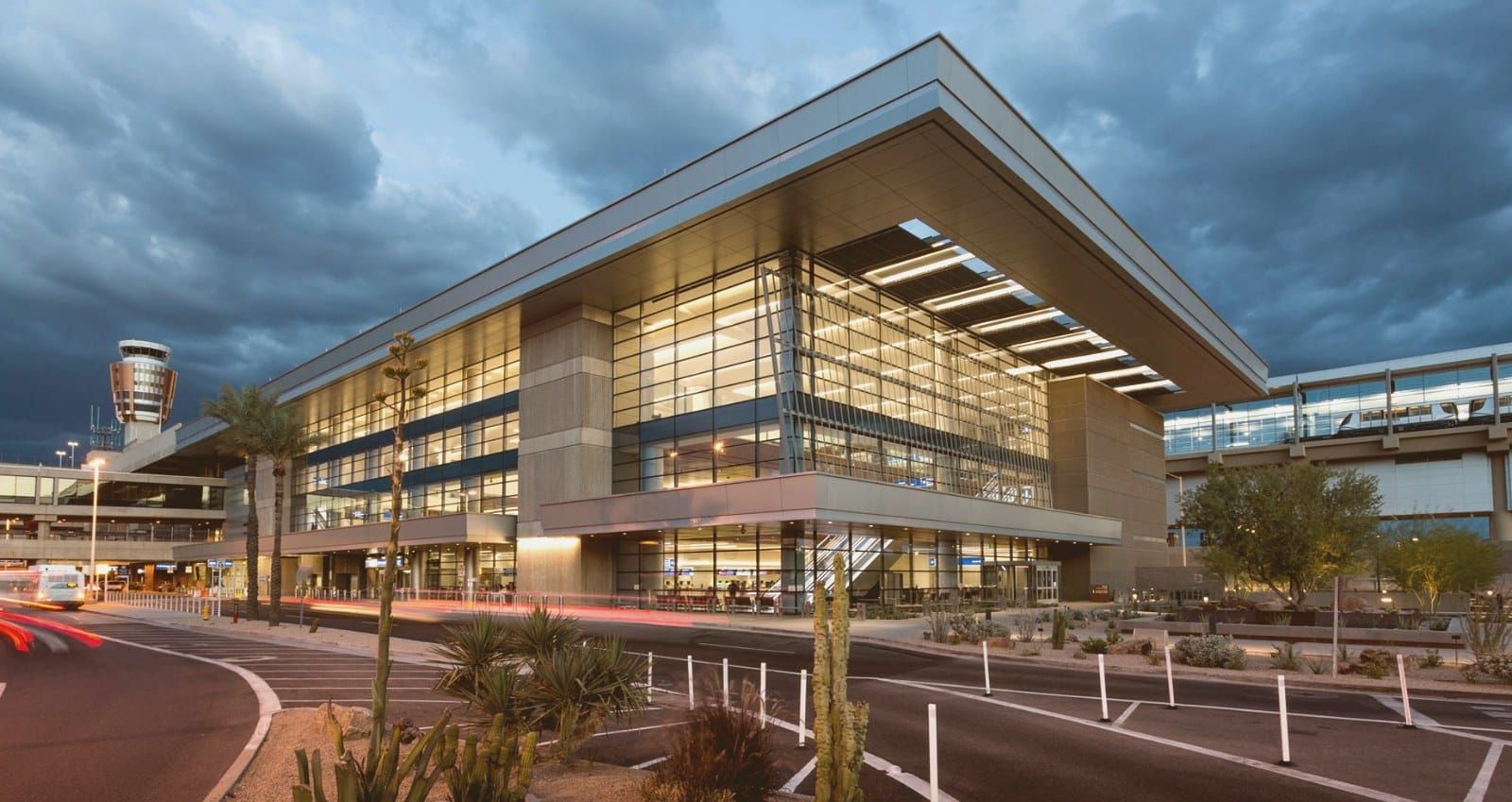
Phoenix Sky Harbor moved quickly Wednesday morning as Thanksgiving travelers pushed through security, with at least one passenger reporting a 10-minute door-to-gate trip. The smooth local experience contrasts with a national trend: domestic tarmac delays lasting more than three hours ran at nearly double the 2024 rate through 2026, according to Bureau of Transportation Statistics data cited by The New York Times.
The TSA expects to screen approximately 17.6 million air travelers nationwide from Nov. 24 through Nov. 30, with Sunday, Nov. 29 projected as the single busiest day at more than 3 million screenings.
July was the worst month on record so far this year. The Bureau of Transportation Statistics counted 267 long tarmac delays that month, combining domestic waits exceeding three hours and international waits exceeding four hours at U.S. airports. The Times reported 2026 is on pace to be the worst year for such delays since 2009, though the delays remain relatively rare at an average of 2.7 extended incidents per day out of more than 19,000 daily domestic flights.
Severe weather, runway congestion, and air traffic control issues can all compound delays. New York-area airports logged the highest rates of extended tarmac delays from January 2025 through August 2026, the Times reported. The Transportation Department issued fines for extended tarmac delays every year from 2011 through 2024 but has not issued one since Sean Duffy became transportation secretary in 2025, according to the Times. A department spokesperson told the newspaper that enforcement action will be taken when warranted and that the current focus is on fixing root causes.
What are passengers' rights during a tarmac delay?
Federal rules require airlines to begin moving a plane to a deplaning point before three hours on domestic flights or four hours on international flights. Airlines must also provide water and a snack within two hours of any delay and maintain working toilets and comfortable cabin temperatures throughout. Passengers who voluntarily deplane during a delay are not guaranteed reboarding.
Travelers who cannot resolve an issue with their airline can file a complaint directly with the U.S. Department of Transportation. Bureau of Transportation Statistics monthly data were available through September; full-year 2026 figures are expected early next year.
Sources
Every factual claim in this article traces to one of the sources below. See how we work for the editorial process.
- AZ Family (3TV/CBS5) retrieved 26/11/2026 04:15
Authored by The Scottsdale Signal. Drafted by AI from primary-source material under our beat-specific editorial guides; reviewed by humans before publish under our five-gate process. Sources retrieved at 26/11/2026 04:15. Every claim traces to a source.

