Highlights
- SRP is seeking Arizona Corporation Commission approval for the Marigold Energy Center in Stanfield, about 45 miles south of Phoenix.
- The 1,675-megawatt project would pair solar arrays and battery storage with natural gas turbines on roughly 5,000 acres.
- SRP expects its energy demand to double over the next 10 years and targets an 80% carbon-footprint reduction from 2005 levels by 2035.
- If approved, construction begins in 2027 with the facility coming online five years later.
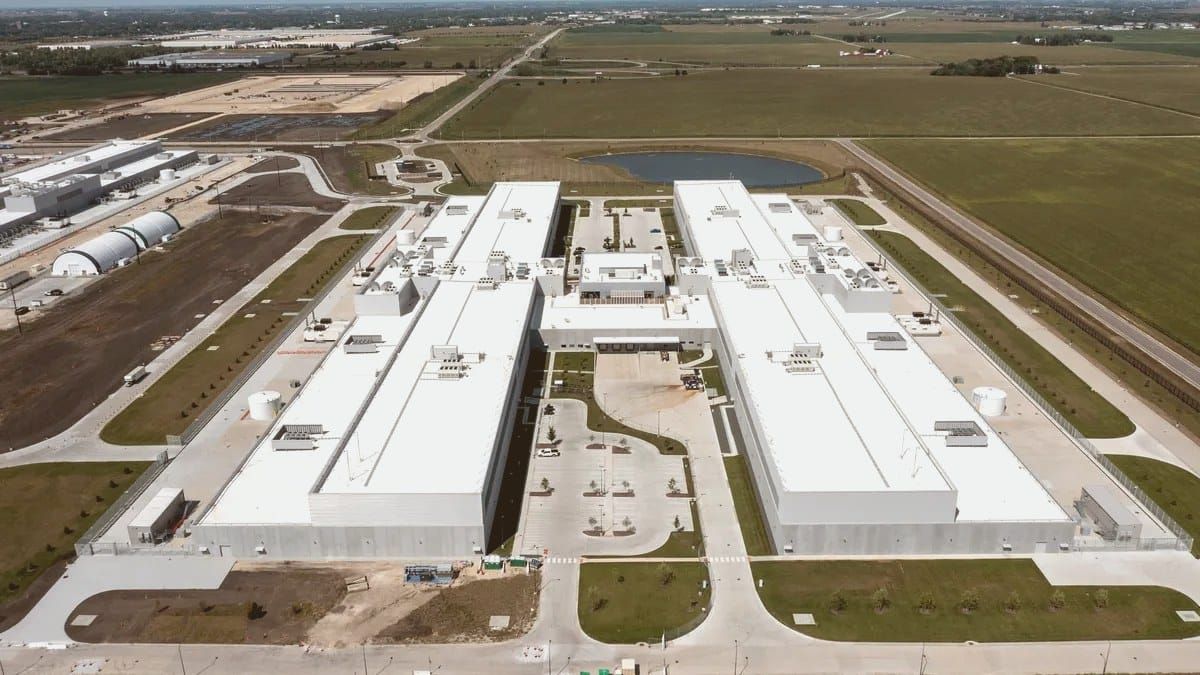
Salt River Project is asking the Arizona Corporation Commission to approve a 1,675-megawatt energy hub in Stanfield, Pinal County, that would be one of the larger utility-scale projects proposed in Arizona in recent years. The Marigold Energy Center would sit on approximately 5,000 acres west of Casa Grande, roughly 45 miles south of Phoenix, and combine 600 MW of solar generation, 400 MW of battery energy storage, and up to 675 MW of natural gas generation capacity, along with a new 230-kilovolt/500 kV substation and about 4 miles of 230 kV transmission lines.
SRP says it expects energy demand to double over the next decade, and the project is designed to keep the utility ahead of that curve while supporting its goal of cutting its carbon footprint 80% from 2005 levels by 2035. Bill McClellan, SRP's director of resources, planning and acquisition, described the utility's strategy as an "all-of-the-above approach" to adding generation capacity. McClellan said the project offers "a very cost-effective way to bring carbon-free energy onto our system and take advantage of those tax credits before they expire", a reference to long-term clean energy tax credits enacted under the Biden administration that the Trump administration has since moved to roll back.
Why is SRP still pursuing solar despite federal policy shifts?
Solar and wind generation is up nationally this year, but industry observers say that reflects a lag between policy changes and project timelines. Autumn Johnson of the Arizona Solar Energy Industries Association noted that solar and wind projects take three to five years to complete, meaning facilities coming online now were set in motion under Biden-era incentives. Johnson said Trump administration policies are already reshaping utility behavior: both Arizona Public Service and Tucson Electric Power have pulled back from clean energy and climate commitments, and several Arizona counties are rejecting new solar and wind farm proposals.
For SRP's purposes, the race is partly financial. The federal tax credits McClellan cited remain available for projects that move quickly enough, giving the utility an incentive to advance Marigold before the policy window closes further.
If the Corporation Commission grants approval, SRP plans to break ground in 2027, with the facility coming online in 2032.
Sources
Every factual claim in this article traces to one of the sources below. See how we work for the editorial process.
- AZ Central retrieved 18/09/2026 01:53
- media.srpnet.com retrieved 18/09/2026 01:53
- AZ Family (3TV/CBS5) retrieved 18/09/2026 01:53
Authored by The Scottsdale Signal. Drafted by AI from primary-source material under our beat-specific editorial guides; reviewed by humans before publish under our five-gate process. Sources retrieved at 18/09/2026 01:53. Every claim traces to a source.