Highlights
- The Supreme Court's 6-3 conservative majority invalidated a Massachusetts district court injunction against Trump's mail-in voting executive order on Monday.
- Arizona was one of 23 states that sued the Trump administration in April; early ballots are still scheduled to mail Oct. 7.
- A separate nationwide injunction from the same Massachusetts judge, issued in August, was not affected by Monday's ruling.
- Attorney General Kris Mayes called the decision procedural and vowed to continue challenging the USPS rule in court.
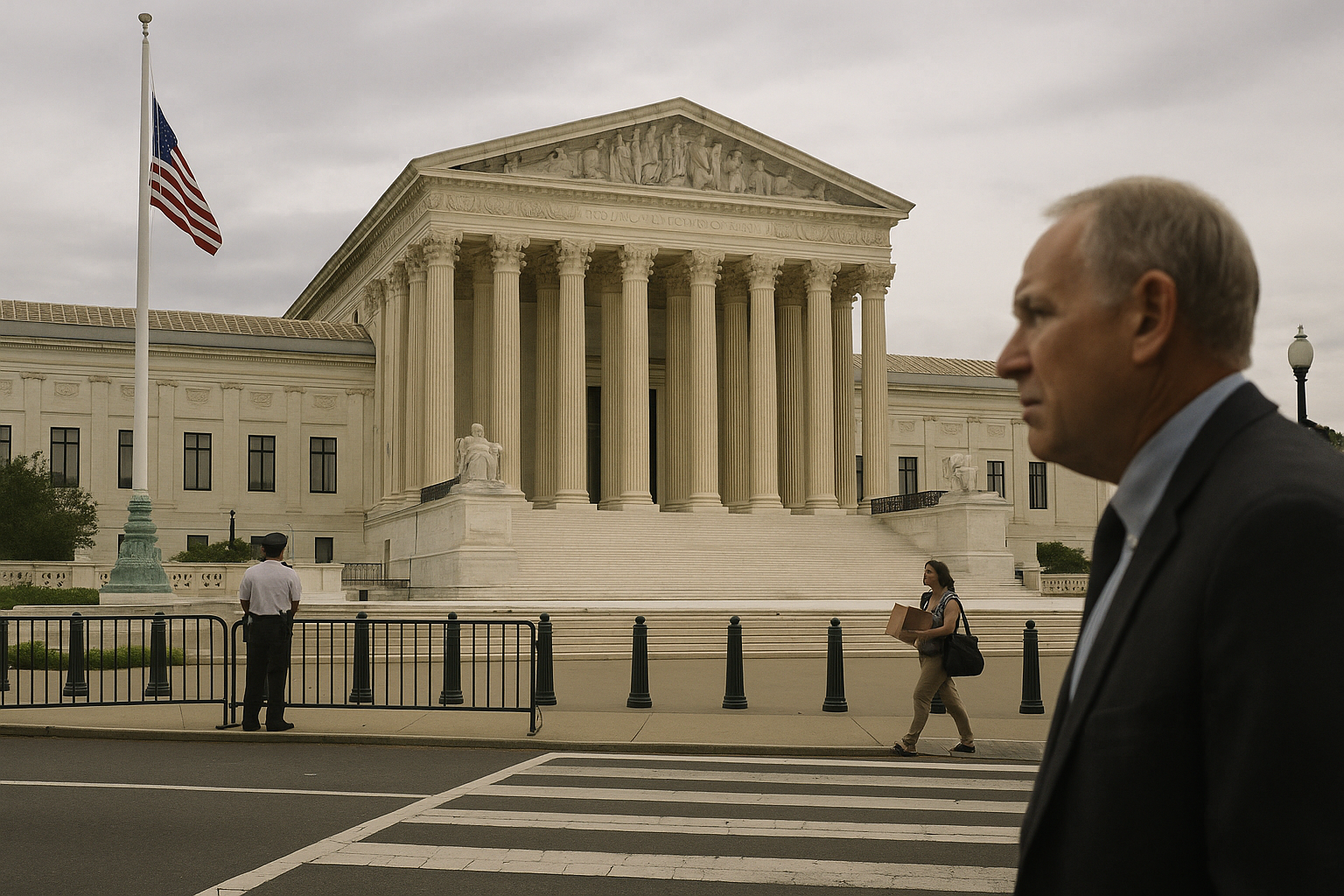
Arizona's mail-in voting calendar is unchanged after the U.S. Supreme Court on Monday lifted one of two court blocks on President Donald Trump's executive order directing the U.S. Postal Service to develop new mail-ballot rules, a ruling state officials quickly characterized as a procedural step with no immediate effect on voters.
The court's unsigned order, issued by its 6-3 conservative majority, found that a Massachusetts district court judge had incorrectly placed an injunction on Trump's March executive order in late June. The order directs the Secretary of Homeland Security to compile lists of U.S. citizens 18 and older in each state and transmit them to chief election officials. While the justices concluded the order "may not be lawful once carried out," they determined that "the Order itself does not harm the States, so the District Court lacked jurisdiction to bar the Government from trying to implement it."
Secretary of State Adrian Fontes said in a news release that the ruling does not settle the underlying dispute. "The most important thing for Arizona voters to know today is simple: nothing has changed," Fontes said.
Arizona was among the 23 states that sued the Trump administration in April over the order. In a filing joined by Attorney General Kris Mayes, those states argued the proposed USPS rules would increase the likelihood of mistakes and amount to federal interference in state election procedures. The justices disagreed, finding that because the executive order only proposes rules rather than final policy, it could not yet harm the suing states.
Monday's ruling does not touch a second, broader injunction. The same Massachusetts federal judge ruled in August against implementing the executive order nationwide, not just in the 23 plaintiff states, and that block remains in place.
Mayes characterized the Supreme Court decision as procedural rather than substantive and vowed to continue challenging the USPS rule, stating the fight is far from over and that states, not the Postal Service or the president, run their own elections.
The executive order must also complete the full federal rulemaking process before it becomes official policy. The Supreme Court noted that future legal challenges may carry more weight once the order's directives are actually implemented. Votebeat reported Aug. 17 that Fontes had separately told federal election officials he did not trust them, citing concerns about interference in state election administration.
Arizona's early ballots are scheduled to mail Oct. 7, per the Secretary of State's office.
Sources
Every factual claim in this article traces to one of the sources below. See how we work for the editorial process.
- azcapitoltimes.com retrieved 25/08/2026 01:09
Authored by The Scottsdale Signal. Drafted by AI from primary-source material under our beat-specific editorial guides; reviewed by humans before publish under our five-gate process. Sources retrieved at 25/08/2026 01:09. Every claim traces to a source.