Highlights
- Surprise City Council sent a formal letter May 5 asking DHS to comply with Arizona law and city zoning at 13290 W Sweetwater Ave.
- DHS purchased the 418,000-square-foot warehouse for $70 million in January and plans to convert it into an ICE facility holding up to 1,500 people.
- Arizona Attorney General Kris Mayes sued DHS last month to block the project, citing skipped environmental reviews and an unsafe industrial site.
- Mayor Kevin Sartor has said the city lacks legal grounds to stop the facility; DHS agreed to pay Surprise $300,000 to offset lost revenue.
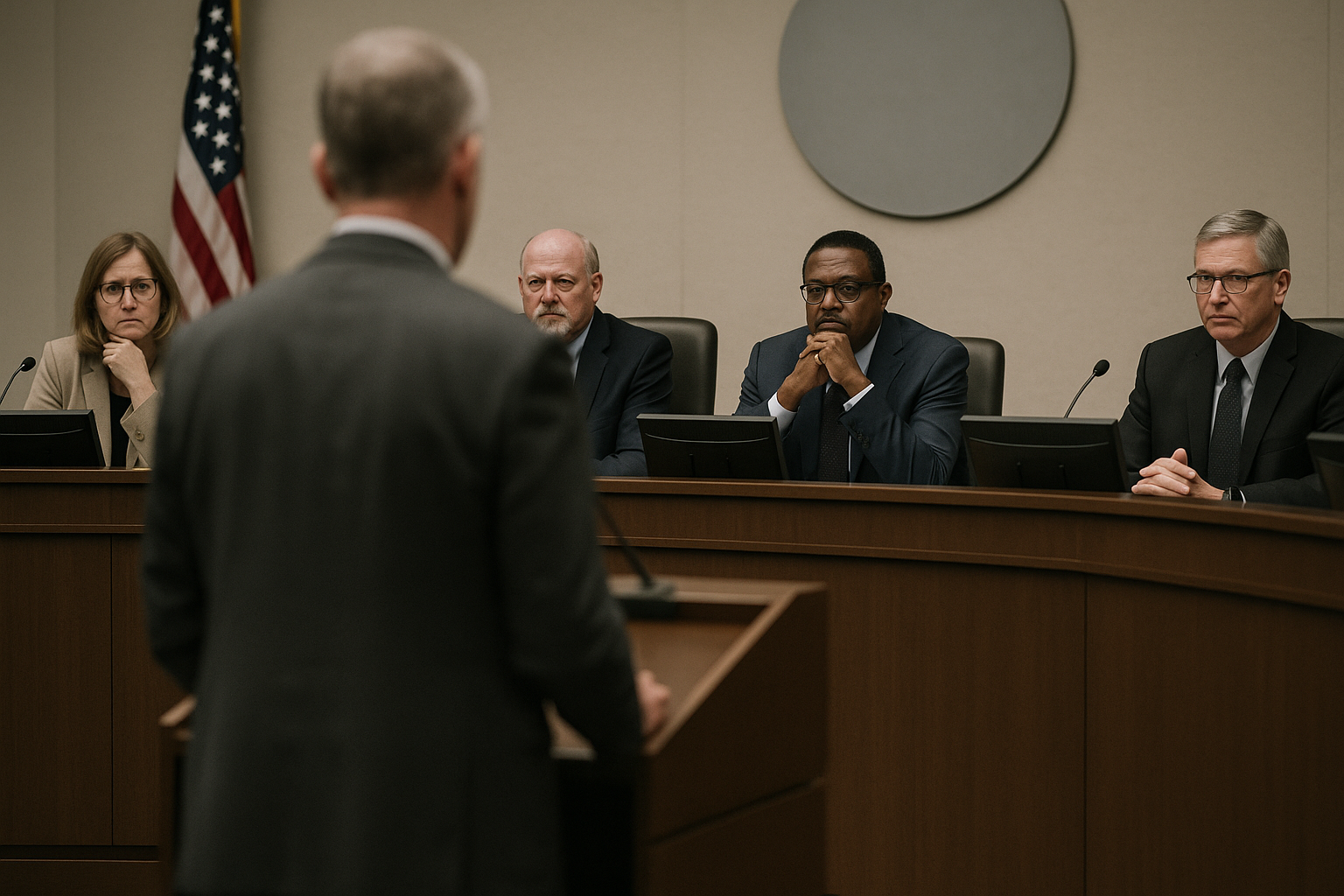
The Surprise City Council sent a letter dated May 5 to Homeland Security Secretary Markwayne Mullin asking that federal operations at a planned ICE detention facility at 13290 W Sweetwater Ave. comply with state and local law, a formal but narrow ask that stops well short of the legal challenge filed by the state's attorney general.
The letter requests that DHS "ensure all activities within the City's jurisdiction for the building located at 13290 W Sweetwater Avenue comply with applicable Arizona Revised Statutes, as well as the Surprise Municipal Zoning Regulations and other local ordinances," according to the text quoted by KTAR. The letter did not specify what prompted the request or detail any alleged violations.
DHS purchased the 418,000-square-foot warehouse for $70 million in January and intends to convert it into an ICE detention facility capable of holding up to 1,500 people. The agency previously agreed to pay the city $300,000 to offset lost tax revenue from the federal takeover of the property.
The council's letter arrives as opposition to the project has mounted at both the state and local level. Arizona Attorney General Kris Mayes sued DHS last month to block the conversion, arguing the agency bypassed required environmental reviews and selected an unsafe industrial site, according to KTAR. The lawsuit has been corroborated by the Arizona Republic and Arizona PBS, which have tracked the facility since February.
Mayor Kevin Sartor has publicly stated the city lacks legal authority to block the project outright. The council's letter, reported separately by the Surprise Independent, reflects that posture, an attempt to assert local regulatory standing without directly challenging federal authority.
What legal leverage does Surprise actually have?
The city's letter does not cite a specific violation or trigger a formal enforcement action; it is a written request that DHS acknowledge local zoning jurisdiction. Mayor Sartor has said the city cannot legally stop the facility, and the letter's language, "respectfully requests", signals the council is seeking influence over the project's implementation rather than its existence.
The Mayes lawsuit, not the city's letter, is the active legal challenge. A ruling in that case would determine whether the environmental-review argument can halt or delay the conversion.
The Mayes lawsuit is pending; no hearing date was reported in the source material.
Sources
Every factual claim in this article traces to one of the sources below. See how we work for the editorial process.
- ktar.com retrieved 07/05/2026 02:39
- yourvalley.net retrieved 07/05/2026 02:39
Authored by The Scottsdale Signal. Drafted by AI from primary-source material under our beat-specific editorial guides; reviewed by humans before publish under our five-gate process. Sources retrieved at 07/05/2026 02:39. Every claim traces to a source.