Highlights
- Arizona's bipartisan 2026 budget eliminates all $1.2 million in funding for COMIT, the independent group home oversight program, effective end of year.
- COMIT's 2025 investigations found 81% of monitored clients were not receiving required services, and identified 13 substantiated cases of abuse or neglect.
- Senate President Warren Petersen, House Speaker Steve Montenegro, and Gov. Katie Hobbs all declined to explain why the program was cut.
- Disability Rights Arizona CEO J.J. Rico says staff will likely find other jobs before any future funding is secured, making reconstitution difficult.
Arizona is eliminating the only independent oversight program watching over group homes that serve residents with both developmental disabilities and mental illness, stripping $1.2 million from the Compliance, Oversight, Monitoring, and Investigations Team in the bipartisan state budget passed in June. The program, known as COMIT and operated by Disability Rights Arizona, will cease operations at the end of 2026 unless it secures a new funding source.
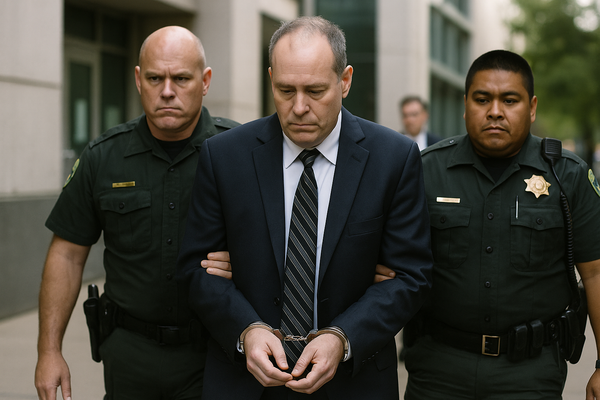
COMIT was created as a direct response to the 2018 rape of a 29-year-old woman with developmental disabilities at Hacienda Healthcare, a residential care facility in Phoenix. The woman, who could not walk or talk, gave birth in her bed; her caregivers had no idea she was pregnant. Nurse Nathan Sutherland later pleaded guilty to sexually assaulting a disabled person and abusing a vulnerable adult after investigators matched his DNA to the baby. He was sentenced to 10 years in prison. Then-Gov. Doug Ducey convened a task force to recommend protections for people served by the state's Division of Developmental Disabilities living in facilities and group homes; COMIT was among those recommendations. Hacienda Healthcare subsequently announced the closure of its 60-bed intermediate care facility in February 2019.
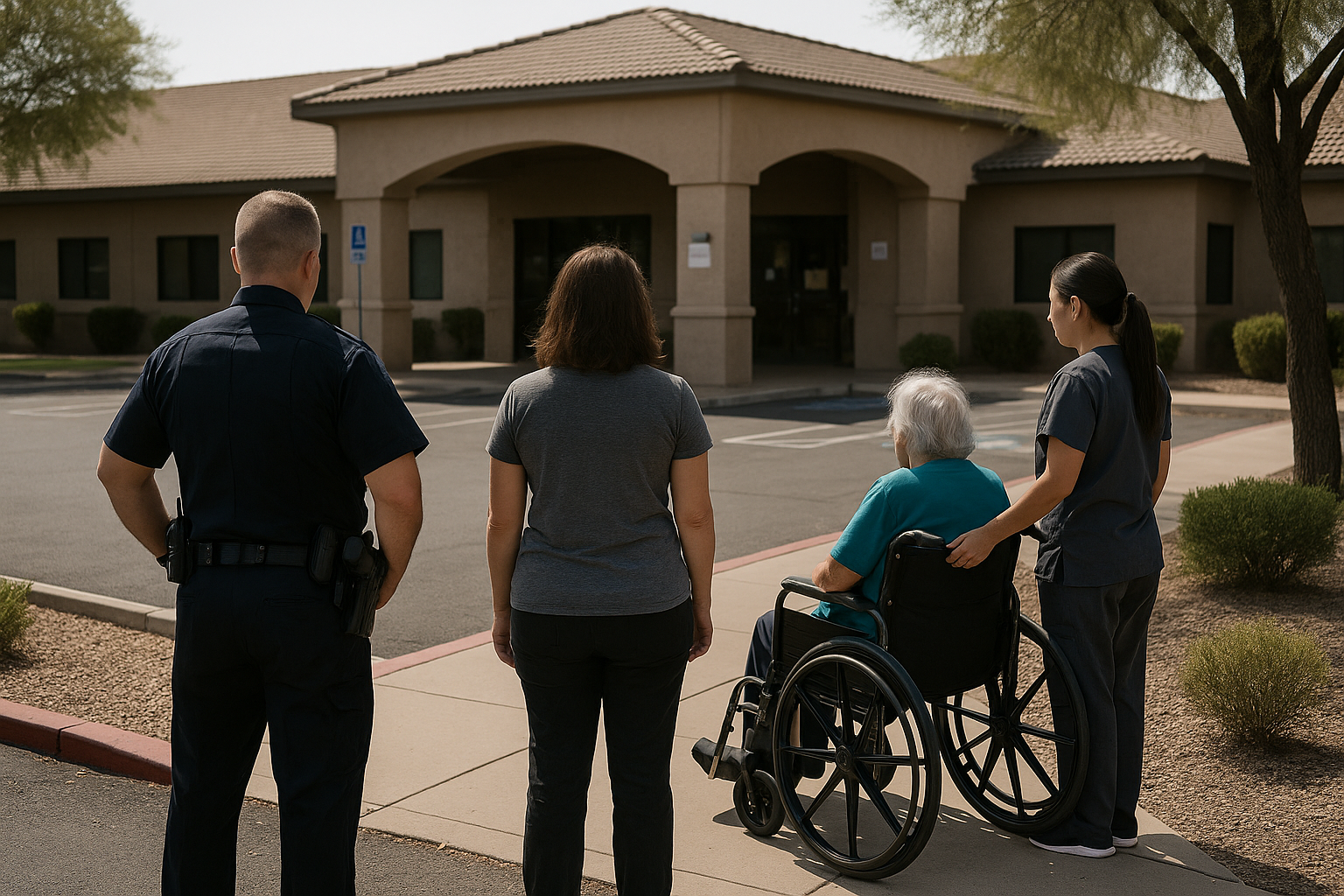
Launched as a pilot in 2022 and made permanent by Gov. Katie Hobbs and the Republican-controlled legislature last year, COMIT's 10 employees interview group home residents, their guardians, and facility staff, and conduct walkthroughs to verify residents are safe and receiving required care. In 2025, the program reviewed the daily living environments, diets, and person-centered care plans of 154 residents across homes run by 63 vendors.
The findings were stark. COMIT's 2025 report found that 81% of clients were not receiving all services they were entitled to, and identified problems with record-keeping and staff who lacked the skills to meet residents' complex needs. The program completed investigations of 21 quality-of-care complaints referred by the Division of Developmental Disabilities, substantiating 12 of them. In the process, investigators identified 57 additional quality-of-care problems that violated state law or DDD standards, including 13 substantiated cases of abuse or neglect and two unexpected deaths that were either caused by, or could have been caused by, an aspect of a resident's treatment.
COMIT also found that DDD's own internal investigations were inadequate. The program's 2025 report stated that DDD does not routinely obtain police reports, witness statements, or other third-party records, and that reviews often relied on surface-level determinations. Among the most serious findings: a current group home employee who was on DDD's own no-contact list because of past abuse findings, and another employee working with disabled children who had an active arrest warrant.
Despite that record, Arizona Senate President Warren Petersen, House Speaker Steve Montenegro, and Hobbs all declined to speak to the Arizona Mirror about why COMIT was cut. The governor's spokesman, Christian Slater, said Hobbs would work with the Department of Economic Security to ensure necessary oversight going forward, but did not address why the governor never responded to multiple meeting requests from COMIT's leadership.
The $1.2 million COMIT budget represents a fraction of the $18.3 billion state budget, which included cuts across departments to offset $1.4 billion in Trump tax cuts.
At a June 10 Joint Appropriations Committee hearing, Amber Brown, whose 22-year-old son has severe autism and who said he endured neglect and abuse in state-run group homes after being assaulted by school paraprofessionals at age 12, warned lawmakers directly: "Here's what nobody in this building wants to say out loud: Vulnerable people attract predators. And when you strip away oversight, you're not cutting a line item. You're leaving the door open."
J.J. Rico, CEO of Disability Rights Arizona, said COMIT learned its funding was gone only hours before the budget passed. He told the Mirror that the program provides a more extensive monitoring process than the state's own reviews, and that he worries abuse and neglect will increase without it. Rico has already told his 10 employees they will be out of work at year's end. Even if funding is restored in next year's budget cycle, he said, those staff members will likely have moved on, and there are no guarantees they would return.
Rico is urging community members to contact their legislators and says Disability Rights Arizona is open to any funding source to keep the program alive through the transition.
Sources
Every factual claim in this article traces to one of the sources below. See how we work for the editorial process.
- azmirror.com retrieved 16/07/2026 00:52
Authored by The Scottsdale Signal. Drafted by AI from primary-source material under our beat-specific editorial guides; reviewed by humans before publish under our five-gate process. Sources retrieved at 16/07/2026 00:52. Every claim traces to a source.