Highlights
- Gov. Hobbs signed SB 1426, sponsored by Sen. Wendy Rogers, to speed squatter removal from Arizona properties.
- Property owners can now seek a court writ within roughly five days, down from a process that previously exceeded two weeks.
- The law excludes current or former tenants and anyone with a prior verbal or written agreement to occupy the property.
- Sen. Catherine Miranda cast the lone no vote, citing the state's insufficient response to homelessness.
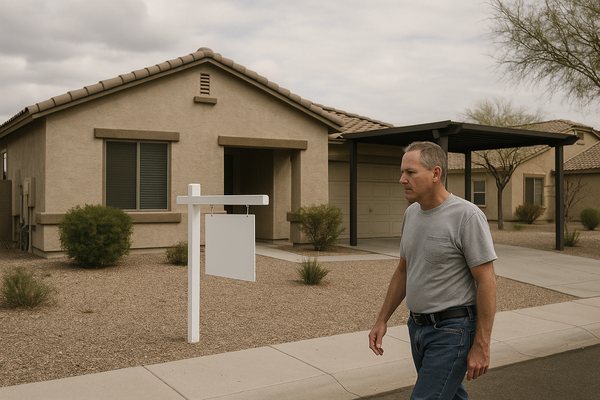
Arizona property owners holding vacant homes in Scottsdale, Paradise Valley, and across Maricopa County gained a faster legal tool this month when Gov. Katie Hobbs signed Senate Bill 1426, compressing what had been a two-week-plus removal process into roughly five days for unauthorized occupants with no rental agreement.
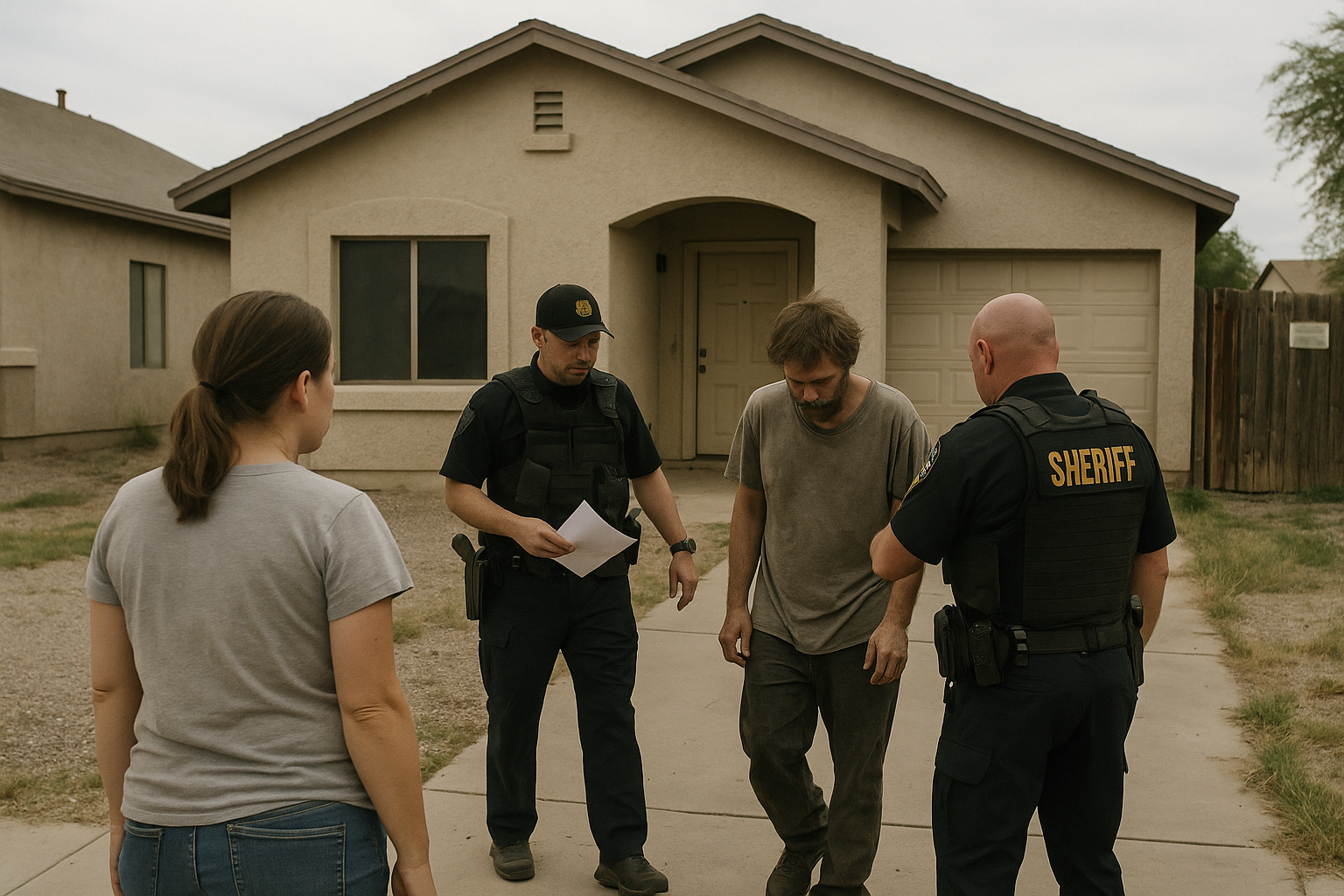
The bill, sponsored by Sen. Wendy Rogers on her third attempt, passed both chambers with wide bipartisan support. Under the prior framework, a property owner had to serve a five-day notice, file a court summons and complaint, present evidence that any purported lease was fraudulent, and then wait additional days for a judge to order a writ before a constable could act. The new law shortcuts that sequence: once a property owner demonstrates the occupant had no prior verbal or written agreement to live there, a judge may order a writ of restitution immediately upon signing any judgment against the unauthorized person.
Constable Scott Blake, who works the Hassayampa district in northwest Maricopa County, told the Arizona Capitol Times he expects the new process to resolve most cases in under five days. He noted that squatting on vacant rural land is a trend he has seen increase, and that systemic cost-of-living pressures will likely keep the problem alive.
Who does the law actually cover?
The statute applies only to occupants with no written, verbal, or implied tenancy agreement with the property owner. Current or former tenants, immediate family members, and anyone who had a prior agreement to cohabitate are explicitly excluded. The law also does not modify any rights or remedies under the Arizona Residential Landlord Tenant Act, meaning standard eviction procedures remain unchanged for landlord-tenant disputes.
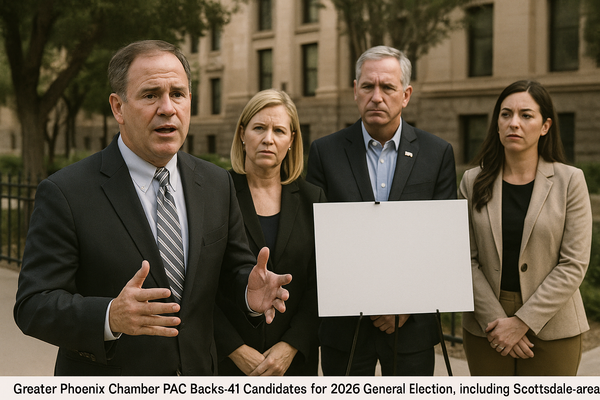
The human cost behind the legislation came into focus at a June 1 press conference, where D'Andrea Turner described what happened when squatters occupied her family's home while she was traveling to Michigan to care for her elderly mother and recovering from surgery. The squatters eventually stole the Turners' identities using documents found in the home and fraudulently sold the property through Maricopa County. Two people were later charged with identity theft, forgery, and fraudulent schemes, though Turner said the family is still resolving the matter with their insurance company. Turner said she felt the senator heard her and that Arizonans would not accept unlawful occupation of their property.
The lone dissenting vote came from Sen. Catherine Miranda, who said she understood the need to protect homeowners but argued the state is not doing enough to address homelessness. In October 2025, Hobbs had announced $13.5 million in grant funding through the Arizona Promise budget for eviction prevention and homelessness response, bringing the administration's total investment in those services to over $150 million, according to a news release cited by the Capitol Times.
The law takes effect 90 days after signing. Scottsdale-area property owners with vacant parcels should note that the five-day notice to vacate is still required before filing in court.
Sources
Every factual claim in this article traces to one of the sources below. See how we work for the editorial process.
- azcapitoltimes.com retrieved 06/06/2026 17:06
Authored by The Scottsdale Signal. Drafted by AI from primary-source material under our beat-specific editorial guides; reviewed by humans before publish under our five-gate process. Sources retrieved at 06/06/2026 17:06. Every claim traces to a source.