Highlights
- The Arizona Supreme Court rejected a January 2026 petition proposing 'Rule 135,' which would have banned generative AI in core judicial work through 2029.
- Judges may use approved AI tools for case-backlog reduction and administrative efficiency, but cannot use AI to write legal rulings or make final case decisions.
- The Arizona Steering Committee on Artificial Intelligence and the Courts must submit its next status report to the Supreme Court by March 1, 2027.
- Legal professionals in Arizona say AI is already in use by attorneys drafting briefs and warn that blocking court access to the technology could set the justice system back.
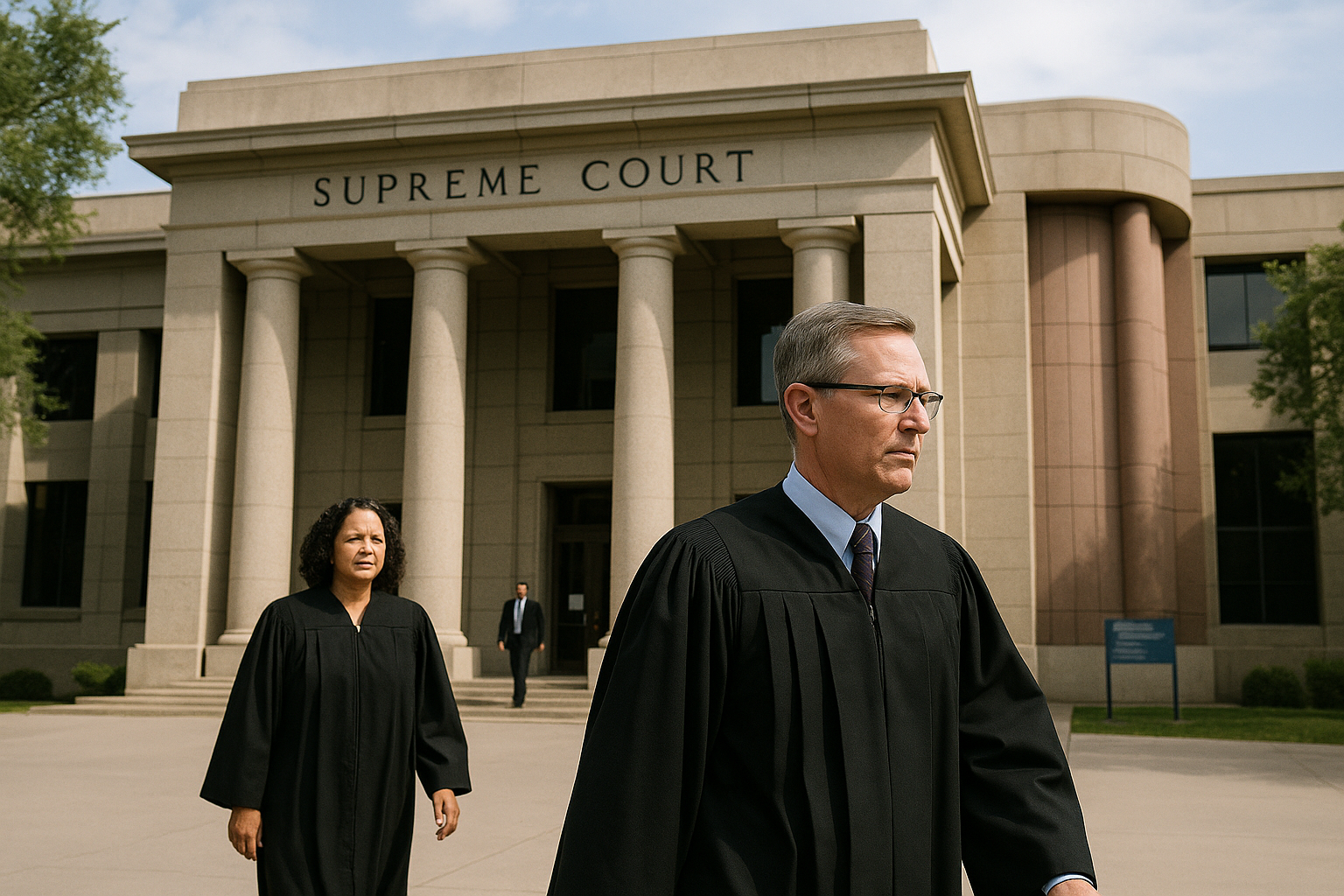
The Arizona Supreme Court has rejected a petition that would have imposed a moratorium on generative AI use in core judicial work through 2029, choosing instead to continue a supervised testing program with firm limits on what the technology can do.
The denied petition, filed Jan. 12, 2026, proposed "Rule 135" and would have blocked judges from using generative AI in their core work for three years. The court's decision keeps in place its current framework: judges may use approved AI tools to help reduce case backlogs, improve administrative efficiency, and enhance public access to justice. The court drew a clear line, however, ruling that judges cannot use AI to write actual legal rulings or make final decisions on cases. The ruling was independently confirmed by KJZZ.
Jaime Ibrahim, Deputy Director for Southern Arizona Legal Aid, who has practiced law for 20 years, said the integration follows a long pattern of technology adoption in the profession. She noted that attorneys have moved from physical books to online case-law databases, and that law clerks have long helped draft materials. She characterized AI as another tool in that lineage, provided it is used correctly, and said many attorneys already ethically use AI in briefs and paperwork submitted directly to judges.
"If it's here and it's going to be here to stay, then we need to learn how to use it effectively, how to use it properly, and how to not let it really take over in an inappropriate way," Ibrahim said.
University of Arizona Law Professor Keith Swisher said blocking court access to AI could carry real costs, pointing to emerging challenges such as identifying deep-fake evidence and navigating cases where self-represented litigants arrive with AI-generated legal advice. Swisher also cautioned that the technology still requires trained human review, noting that AI can make mistakes, exaggerate certain points, or miss others.
The Arizona Steering Committee on Artificial Intelligence and the Courts is continuing to evaluate the technology and is scheduled to submit its next major status report to the Supreme Court on March 1, 2027.
Sources
Every factual claim in this article traces to one of the sources below. See how we work for the editorial process.
- AZ Family (3TV/CBS5) retrieved 29/08/2026 02:52
- kjzz.org retrieved 29/08/2026 02:52
Authored by The Scottsdale Signal. Drafted by AI from primary-source material under our beat-specific editorial guides; reviewed by humans before publish under our five-gate process. Sources retrieved at 29/08/2026 02:52. Every claim traces to a source.