Highlights
- Arizona State University received a $350,000 NSF Advanced Manufacturing grant running August 2026 through July 2029.
- PI Minglei Qu will investigate how annealing heat treatment affects the structure and performance of 3D-printed metal matrix composites.
- The NSF award comes as ASU separately lost approximately $28.5 million in total NSF grants in 2025 amid federal DEI-related cuts.
- Target sectors for the research outcomes include aerospace, biomedical, and defense.
Arizona State University has secured a $350,000 grant from the National Science Foundation to study how annealing heat treatment shapes the structure and performance of additively manufactured metal matrix composites, according to NSF Award 2611685 posted to the agency's public database.
Principal investigator Minglei Qu will lead the project under the NSF's AM-Advanced Manufacturing program. The award period runs from Aug. 1, 2026, through July 31, 2029.
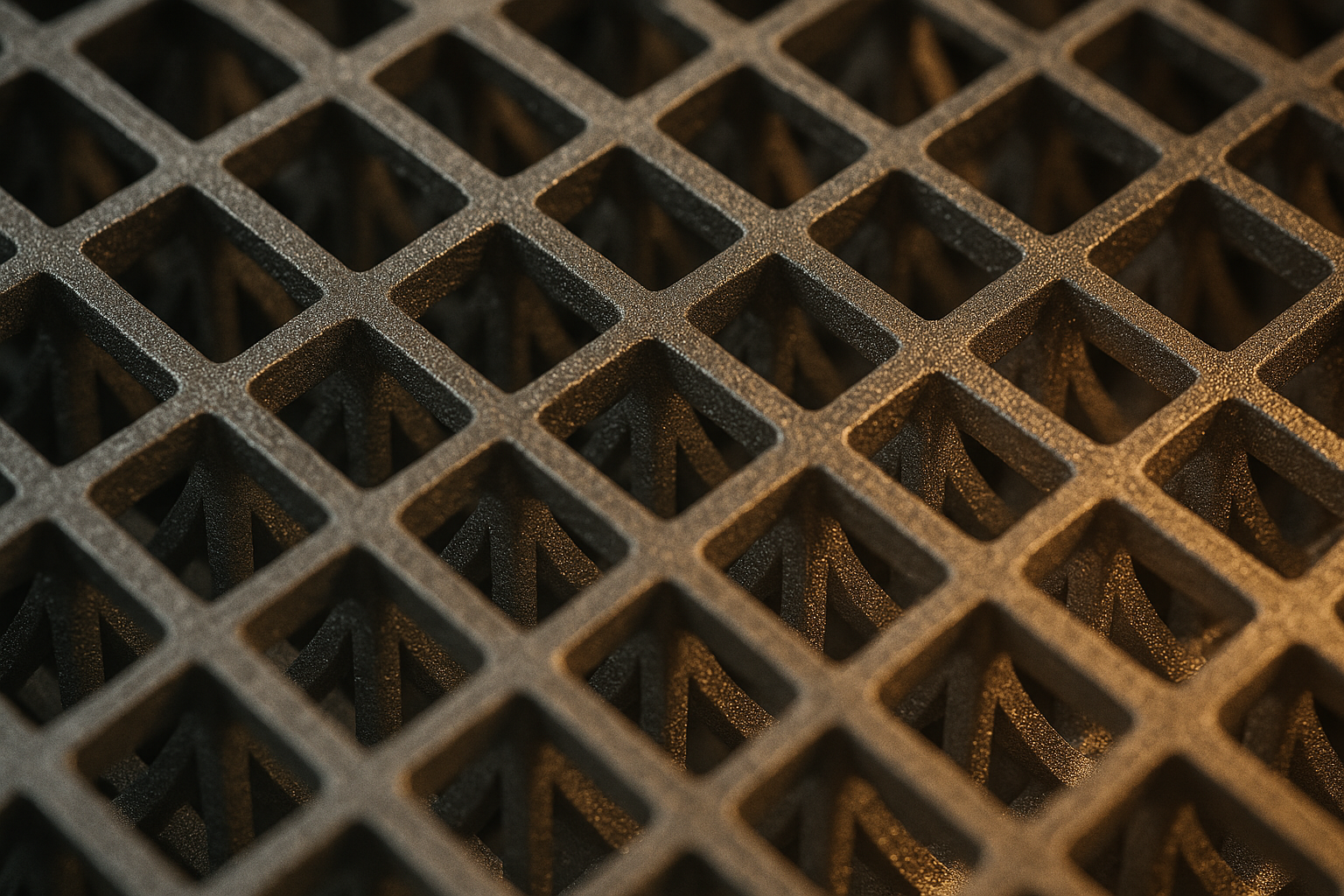
The research targets a specific gap in materials science: additive manufacturing processes generate rapid heating and cooling cycles that leave metal matrix composites in non-equilibrium structural states, creating uncertainty in how those materials will perform. Annealing, a controlled heat treatment, offers a potential pathway to stabilize those states. The project will investigate how annealing conditions drive microstructural changes and how those changes affect composite properties, with the goal of giving manufacturers better control over the final material.
The NSF abstract identifies aerospace, biomedical, and defense as the primary sectors expected to benefit, describing those industries as areas where high-performance additively manufactured metal matrix composites are increasingly important.
The award lands at a complicated moment for ASU's federal research portfolio. The Trump administration pulled approximately $7.6 million in NSF grants from ASU over diversity, equity, and inclusion ties, and ASU lost roughly $28.5 million in total NSF grants in 2025, according to The College Fix. The Qu grant, routed through the Advanced Manufacturing program, was not among the canceled awards.
Research under Award 2611685 is scheduled to begin Aug. 1, 2026.
Sources
Every factual claim in this article traces to one of the sources below. See how we work for the editorial process.
- nsf.gov retrieved 12/07/2026 01:22
- thecollegefix.com retrieved 12/07/2026 01:22
Authored by The Scottsdale Signal. Drafted by AI from primary-source material under our beat-specific editorial guides; reviewed by humans before publish under our five-gate process. Sources retrieved at 12/07/2026 01:22. Every claim traces to a source.