Highlights
- The National Cancer Institute awarded Arizona State University-Tempe Campus $403,686 on July 16, 2026.
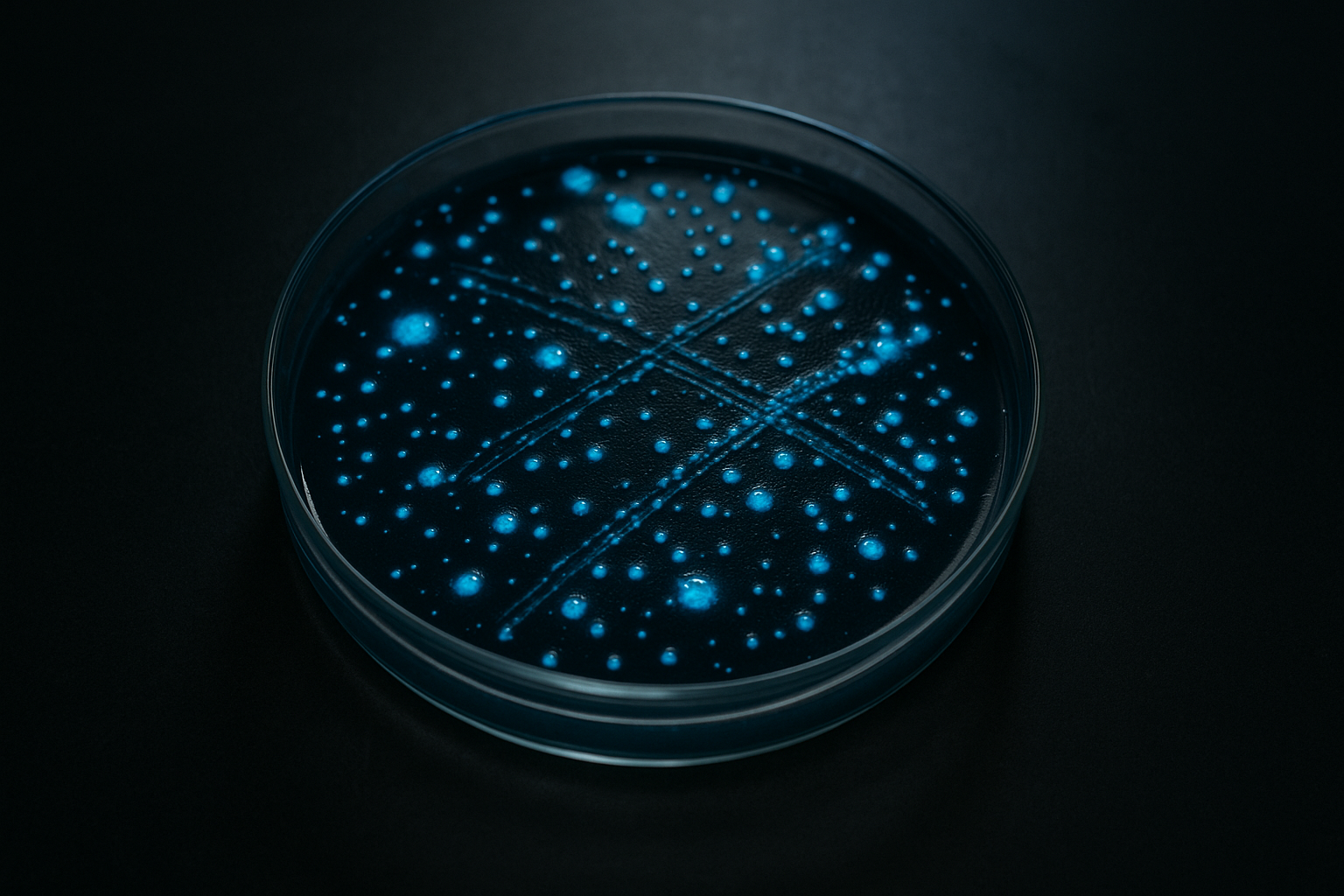
- Principal investigator Wei Kong will develop bioengineered microbes designed to seek and treat colon cancer tumors.
- The grant, project number 1R21CA309636-01A1, runs through June 30, 2028.
- Kong's lab has prior recognition for salmonella-based cancer therapy research at ASU.
The National Cancer Institute awarded Arizona State University-Tempe Campus $403,686 on July 16, 2026, to develop bioengineered bacteria capable of targeting colon cancer tumors, according to the NIH Reporter project record.
The project, titled Bioengineered Networking Microbes for Targeted Colon Cancer Therapy and assigned project number 1R21CA309636-01A1, runs through June 30, 2028. Principal investigator Wei Kong leads the work. Kong is an ASU researcher whose lab has previously drawn attention for salmonella-based cancer therapy approaches, according to ASU News coverage from 2020.
The R21 mechanism is an NIH exploratory grant, smaller in scale than a standard R01, which typically carries $1 million or more. The $403,686 award reflects an early-stage research bet on a novel delivery concept: engineering microbes to network and home in on tumor sites rather than relying on systemic drug delivery.
The NCI, established in 1937 and the federal government's principal cancer research agency, funds more than 5,000 grantees conducting cancer research nationwide, according to the NIH Almanac entry for NCI. The agency supports research across cancer biology, prevention, treatment, and survivorship.
The project period closes June 30, 2028, at which point Kong's team would be positioned to seek follow-on R01 funding if early results support the approach.
Sources
Every factual claim in this article traces to one of the sources below. See how we work for the editorial process.
- reporter.nih.gov retrieved 20/07/2026 03:19
- news.asu.edu retrieved 20/07/2026 03:19
- nih.gov retrieved 20/07/2026 03:19
Authored by The Scottsdale Signal. Drafted by AI from primary-source material under our beat-specific editorial guides; reviewed by humans before publish under our five-gate process. Sources retrieved at 20/07/2026 03:19. Every claim traces to a source.