Highlights
- The National Institute of Neurological Disorders and Stroke awarded Arizona State University $549,397 for brain metabolism research starting Sept. 5, 2026.
- PI Madeline Andrews will study how glucose and oxygen regulate cortical progenitor cells, the building blocks of the human brain's outer layer.
- The award, project number 1R01NS146341-01A1, runs through Aug. 31, 2031, a five-year horizon typical of an R01 first award.
- ASU's Tempe campus is the recipient organization, adding to a cluster of NIH grants the university has drawn in the current federal funding cycle.
The National Institute of Neurological Disorders and Stroke has awarded Arizona State University-Tempe Campus $549,397 to investigate how the brain's earliest cells regulate their own energy supply, federal grant records show.
The project, titled "Glucose & oxygen metabolism regulate human cortical progenitor development impacting brain health" and assigned project number 1R01NS146341-01A1, is led by principal investigator Madeline Andrews. The award period runs from Sept. 5, 2026, through Aug. 31, 2031, according to the NIH Reporter detail page.
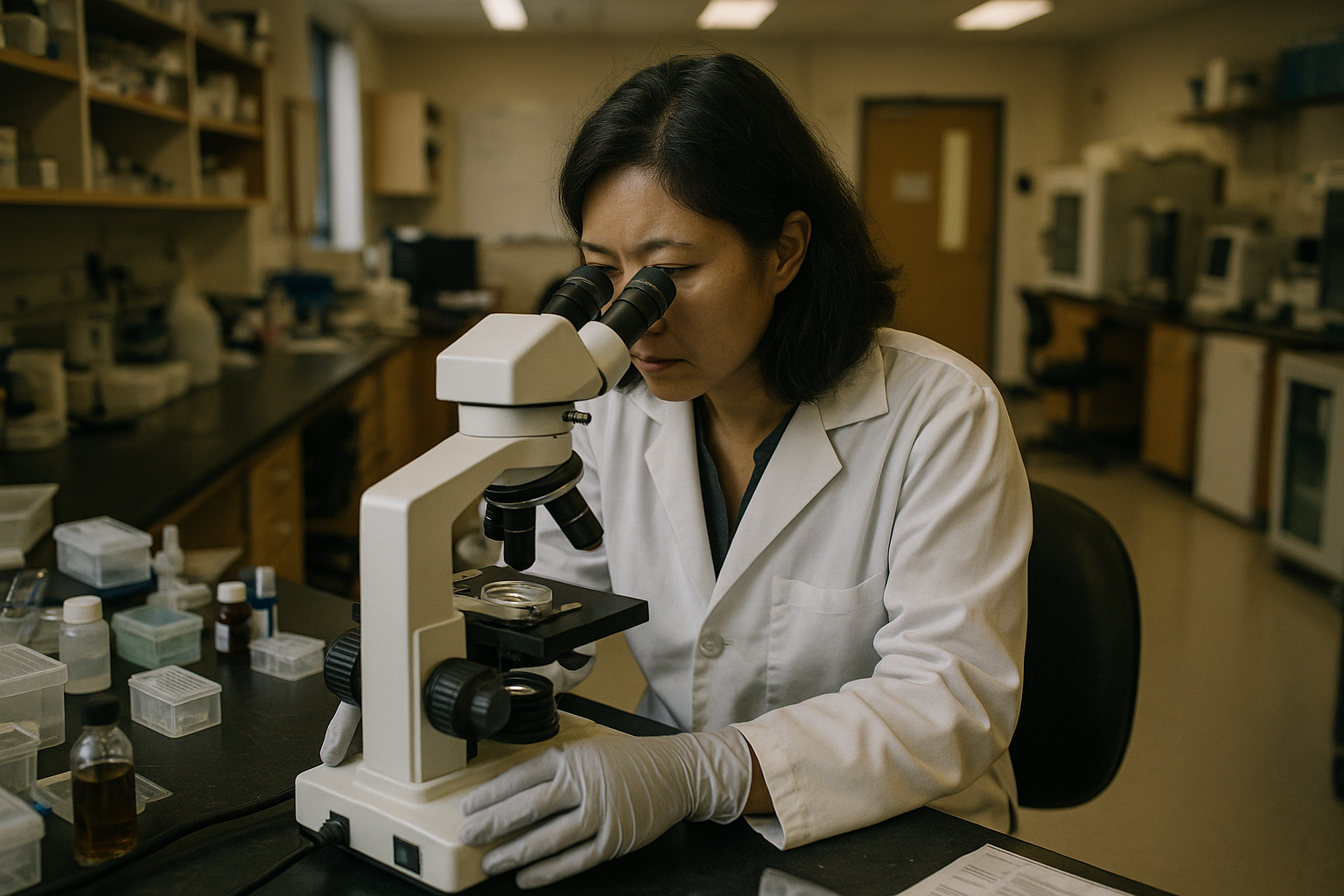
Cortical progenitor cells are the precursor cells that give rise to the cerebral cortex, the brain's outer layer responsible for cognition and sensory processing. Andrews's work examines how access to glucose and oxygen during fetal and early development shapes whether those progenitors divide, differentiate, or die, with downstream implications for neurological health.
At $549,397, the award sits at the lower end of a standard R01 grant, which NIH typically funds in the $1 million to $2 million range over a project's full life. The 1R01 prefix indicates this is a first-time award rather than a renewal, and the A1 suffix marks it as a resubmission that cleared peer review on its second attempt.
NINDS, the funding institute, focuses on reducing the burden of neurological disease through brain and nervous system research, according to the agency's grants portal. The institute leads or partners in Congressionally supported programs including the BRAIN Initiative and Act for ALS.
Andrews is among several ASU researchers drawing NIH dollars in the current cycle. Separate awards to the Tempe campus include a $677,756 National Institute on Aging grant to Rachel E. Koffer for loneliness and aging research and a $378,995 National Institute of General Medical Sciences grant to Richard D'Arcy for gene therapy safety work, both running through at least 2031.
The Andrews grant period closes Aug. 31, 2031.
Sources
Every factual claim in this article traces to one of the sources below. See how we work for the editorial process.
- reporter.nih.gov retrieved 07/09/2026 01:46
- grants.nih.gov retrieved 07/09/2026 01:46
- reporter.nih.gov retrieved 07/09/2026 01:46
- reporter.nih.gov retrieved 07/09/2026 01:46
Authored by The Scottsdale Signal. Drafted by AI from primary-source material under our beat-specific editorial guides; reviewed by humans before publish under our five-gate process. Sources retrieved at 07/09/2026 01:46. Every claim traces to a source.