Highlights
- DHS published a draft environmental review Nov. 9 clearing a 418,400-square-foot Surprise warehouse for use as an immigrant detention center holding up to 1,500 people.
- The report acknowledges the neighboring chemical storage facility holds high-risk substances but proposes no mitigation measures for a potential chemical fire or spill.
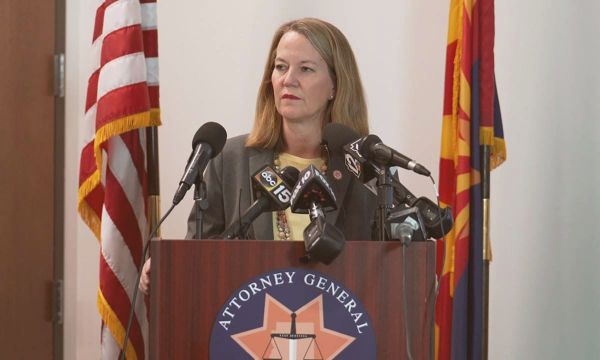
- Arizona Attorney General Kris Mayes, whose April lawsuit triggered a construction pause, is still reviewing the report and has reserved the right to reinitiate litigation.
- A federal bill that would sharply limit NEPA challenges passed the U.S. Senate Nov. 19 and could reach the House as soon as Nov. 30.
A federal environmental review of the planned immigrant detention center in Surprise concluded that a chemical storage facility directly across the street poses no safety concern, a finding that contradicts the central argument of a lawsuit filed by Arizona Attorney General Kris Mayes and that activists say leaves 1,500 future detainees unprotected.
The U.S. Department of Homeland Security purchased the 418,400-square-foot Surprise warehouse in January as part of a nationwide acquisition of 11 warehouses intended to expand detention capacity. The facility is slated to hold up to 1,500 immigrants. Mayes filed suit in April, arguing that federal law bars the proposal because of the risks posed by the neighboring chemical operation and that DHS had failed to conduct the environmental impact assessment required under the National Environmental Protection Act.
In July, DHS agreed to pause construction and not house anyone at the site until 10 days after a final impact report was completed. The draft of that report, published Nov. 9, acknowledges that the chemical storage facility houses substances that pose the greatest risk of harm from accidental releases, but notes the facility has had no accidental releases to date. In the section outlining potential mitigation strategies, DHS made no mention of the chemical storage facility or the possibility of a fire or spill at the neighboring building. The assessment states the detention center would operate under a Hazardous Materials Management Plan without specifying what that plan would entail.
Brent Peak, co-chair of Northwest Valley Indivisible, captured the objection plainly: "DHS wants to lock 1,500 people in a warehouse across the street from a chemical stockpile, and its answer to the danger is 'no mitigation measures are warranted.'" The public comment period on the draft closes Dec. 9.
Mayes' office said it is still reviewing the environmental report and declined to say whether she plans to reinitiate litigation. Her July statement reserved that option explicitly: if she disagrees with the review's outcome, the state retains the right to challenge its adequacy.
The Surprise facility would rank among the largest detention centers in Arizona. The Eloy Detention Center currently holds up to 1,500 people; a facility in San Luis holds up to 704. A new center in Marana, with an estimated capacity of 1,300, is expected to open in the coming months after the town council awarded the operating company a business license earlier this week.
What happens to NEPA challenges if Congress acts?
The legal avenue Mayes used to pause construction could narrow significantly. The Bipartisan American Affordability and Jobs Act, which passed the U.S. Senate on Nov. 19, would limit the window for NEPA challenges from six years to 150 days after a federal decision is publicized and would bar judges from blocking a project that violates NEPA unless it also violates another federal law. Critics say the bill would make it easier to build detention facilities while stripping state leaders of their primary legal tool to contest them. The House is expected to take up the legislation as soon as Nov. 30.
The Dec. 9 public comment deadline on the Surprise draft environmental assessment is the next formal opportunity for Mayes or community groups to put objections on the record before DHS finalizes the report.
Sources
Every factual claim in this article traces to one of the sources below. See how we work for the editorial process.
- azmirror.com retrieved 27/11/2026 17:09
Authored by The Scottsdale Signal. Drafted by AI from primary-source material under our beat-specific editorial guides; reviewed by humans before publish under our five-gate process. Sources retrieved at 27/11/2026 17:09. Every claim traces to a source.