Highlights
- Maricopa County Superior Court Judge Sam Myers dismissed the criminal case against Arizona's 11 fake electors on Aug. 11, 2026.
- Myers denied defense motions for dismissal with prejudice, meaning Attorney General Kris Mayes can seek new indictments.
- Whether a new prosecution proceeds depends on November's election: Mayes faces Republican Warren Petersen, an election denier who is unlikely to refile.
- The original indictment named 18 defendants, including state Sen. Jake Hoffman, former AZGOP Chairwoman Kelli Ward, Rudy Giuliani, and Mark Meadows.
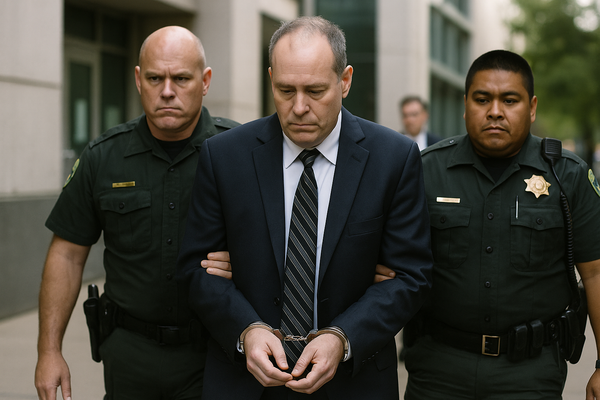
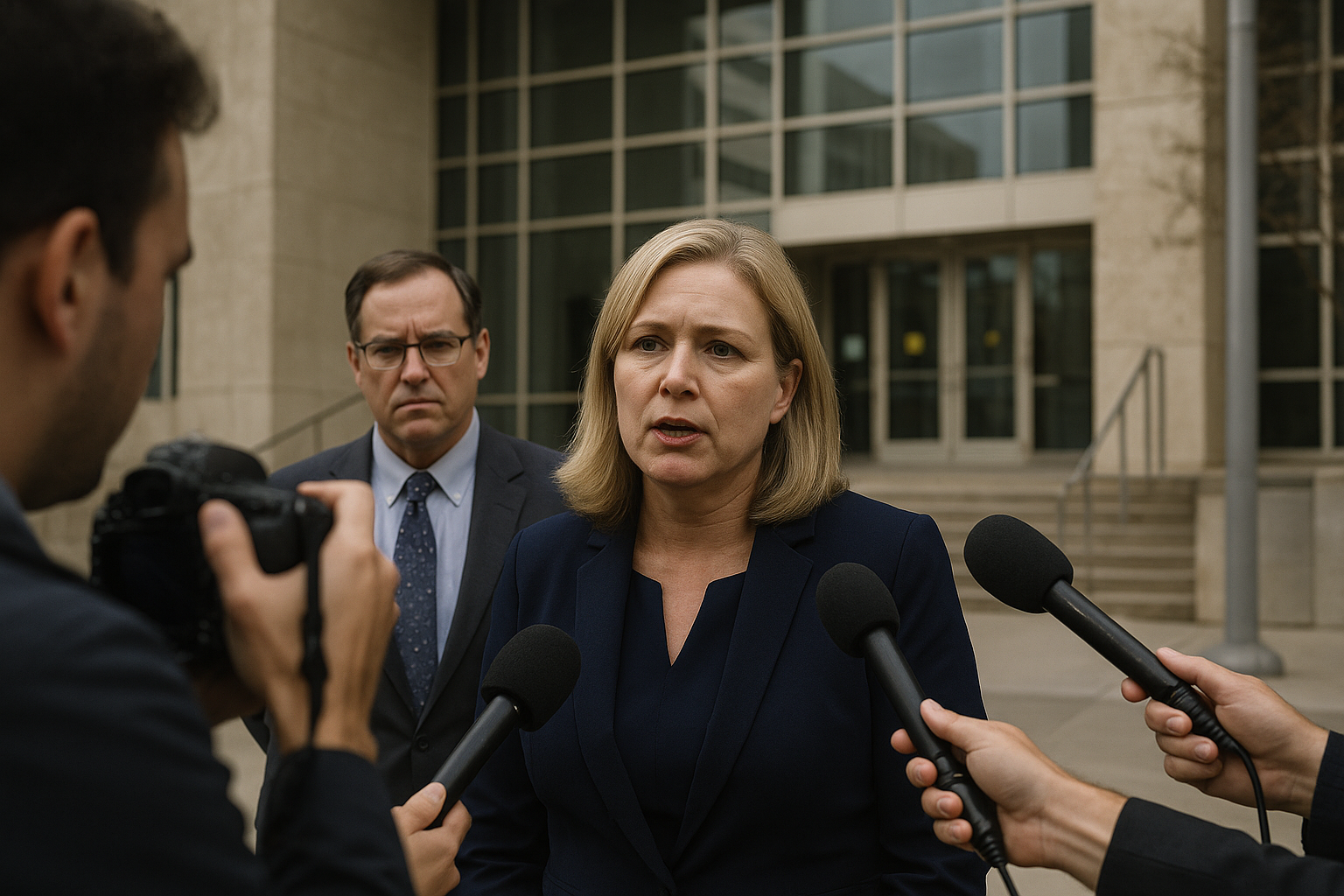
A Maricopa County Superior Court judge dismissed Arizona's criminal case against 11 fake electors on Aug. 11, but rejected defense requests to bar future prosecution, leaving the fate of the case to November's voters.
Judge Sam Myers issued the final ruling after Arizona Attorney General Kris Mayes lost her appeal to the Arizona Supreme Court earlier this year and was left with no path forward on the existing indictment. Myers had previously dismissed the original indictments after siding with defendants who argued prosecutors failed to present jurors with the 1887 Electoral Count Act, a federal law they claimed gave them legal cover for signing a document falsely awarding Donald Trump Arizona's electoral votes following the 2020 election that Joe Biden won.
The defendants, which included state Sen. Jake Hoffman, former state Sen. Anthony Kern, Turning Point Action COO Tyler Bowyer, then-AZGOP Chairwoman Kelli Ward, Rudy Giuliani, and Mark Meadows, had sought dismissal with prejudice, which would have permanently foreclosed a new prosecution. Myers refused. In his ruling, he wrote that the defendants' claims of financial cost, stress, and lost time did not clear the bar required to extinguish the state's right to seek legal redress.
Why does the November election determine whether charges are refiled?
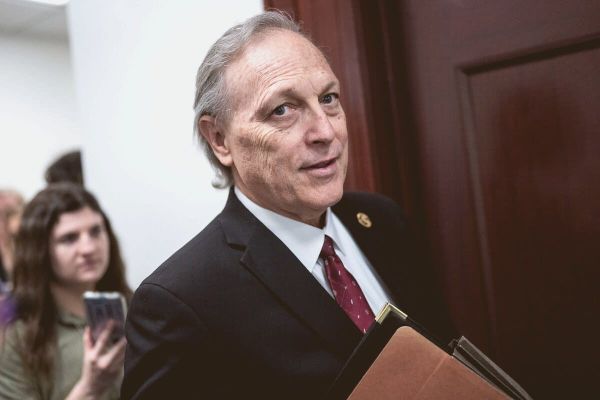
Mayes, a Democrat, is seeking a second four-year term against Gilbert Republican Warren Petersen, the current head of the Arizona Senate. Petersen helped launch the state legislature's partisan audit of the 2020 election, an effort that ultimately found no evidence of fraud and confirmed Biden's victory, and is considered unlikely to pursue new indictments if elected. If Mayes loses, the case almost certainly ends here.
The original grand jury indictment, filed two years ago, named 18 defendants in total: the 11 fake electors who signed the false electoral certificate in Phoenix on Dec. 14, 2020, and seven others described as having orchestrated the scheme. Trump subsequently issued pardons to fake electors in Arizona and other battleground states, shielding them from federal prosecution and leaving state-level cases as the remaining avenue for accountability.
According to KJZZ, Mayes' office requested the dismissal without prejudice, preserving the right to refile. The Arizona Supreme Court had ruled on June 2, 2026, that Mayes must restart the case with a new grand jury, according to USA Today.
The November general election will determine whether a new grand jury is ever convened.
Sources
Every factual claim in this article traces to one of the sources below. See how we work for the editorial process.
- azmirror.com retrieved 12/08/2026 00:15
Authored by The Scottsdale Signal. Drafted by AI from primary-source material under our beat-specific editorial guides; reviewed by humans before publish under our five-gate process. Sources retrieved at 12/08/2026 00:15. Every claim traces to a source.