Highlights
- The National Cancer Institute awarded the University of Arizona $632,905 on July 1, 2026, under grant 1R01CA311242-01.
- Principal investigator Richard J. Simpson will study exercise-enhanced allogeneic cell therapies for relapsed leukemia over five years ending June 2031.
- The award is a first-year R01, a standard NIH investigator-initiated grant, running below the typical $1 million to $2 million annual R01 range.
- The project period runs through June 30, 2031, with federal funding records publicly accessible via NIH Reporter.
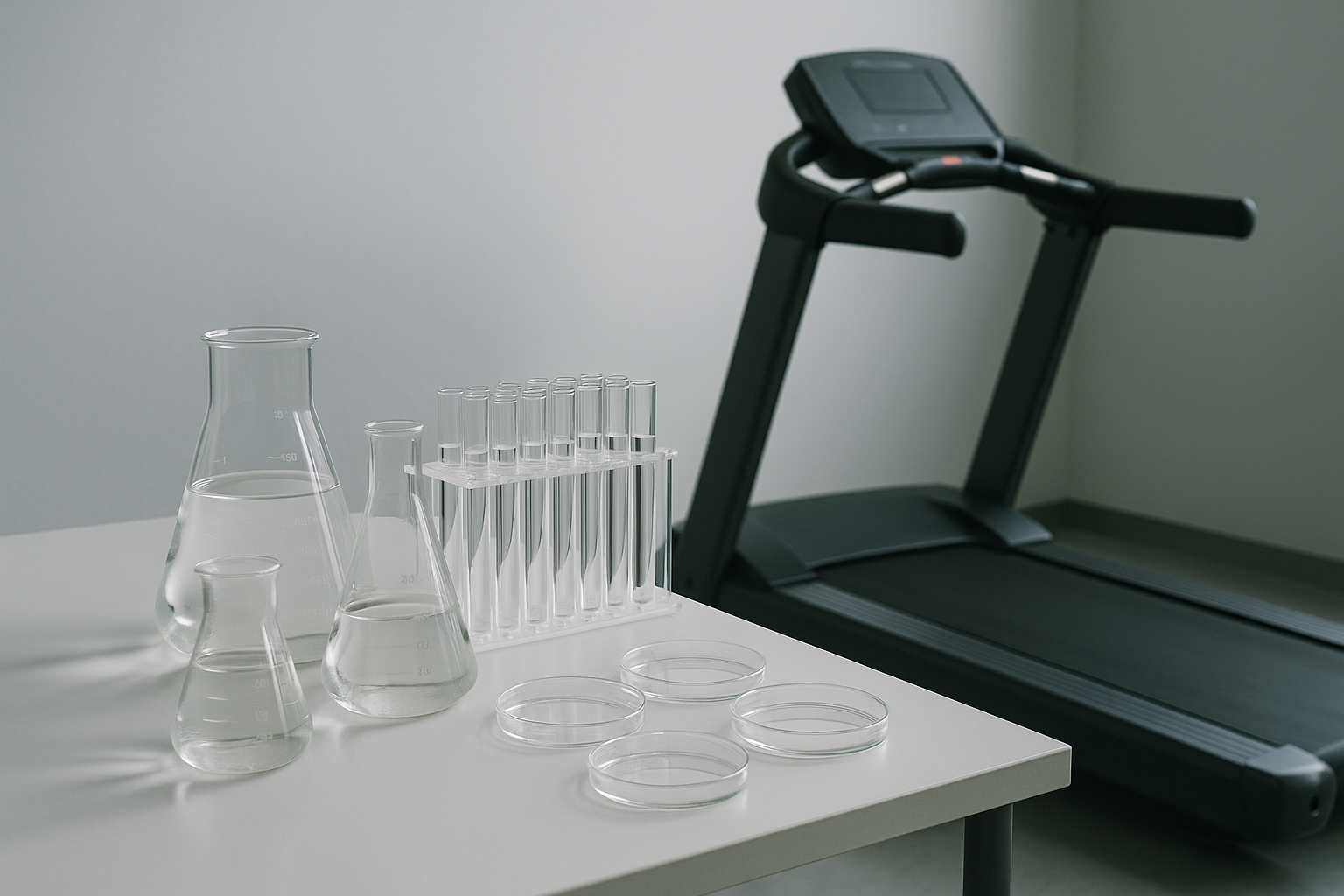
The National Cancer Institute awarded the University of Arizona $632,905 on July 1, 2026, to investigate whether structured exercise can enhance the potency of off-the-shelf cell therapies for patients whose leukemia has relapsed.
The grant, numbered 1R01CA311242-01, names Richard J. Simpson as principal investigator. The project title is "Exercise-Enhanced Off-the-Shelf Allogeneic Cell Therapies for Relapsed Leukemia." Allogeneic cell therapies use donor-derived immune cells rather than a patient's own, making them manufacturable in advance and potentially deployable faster than personalized treatments.
The award is a new R01, the NIH's primary mechanism for investigator-initiated research. At $632,905 for the first year, it falls below the typical R01 range of $1 million to $2 million annually. The project period runs through June 30, 2031, giving Simpson's team five years to generate data.
The NCI, which funds the grant, leads federal cancer research across prevention, biology, treatment, screening, and survivorship, according to NIH grant program records.
The University of Arizona has drawn several NCI and NIH awards in the current funding cycle. A separate NCI grant of $588,677, awarded the same day to investigator Gregory Charles Rogers, funds research into prostate cancer progression under project number 1R01CA307224-01A1, according to NIH Reporter.
The Simpson grant record will be updated on NIH Reporter as annual funding increments are issued through 2031.
Sources
Every factual claim in this article traces to one of the sources below. See how we work for the editorial process.
- reporter.nih.gov retrieved 05/07/2026 22:44
- grants.nih.gov retrieved 05/07/2026 22:44
- reporter.nih.gov retrieved 05/07/2026 22:44
Authored by The Scottsdale Signal. Drafted by AI from primary-source material under our beat-specific editorial guides; reviewed by humans before publish under our five-gate process. Sources retrieved at 05/07/2026 22:44. Every claim traces to a source.