Highlights
- The National Institute of General Medical Sciences awarded Arizona State University $940,578 under project number 1R24GM165260-01, running August 2026 through July 2031.
- Joshua LaBaer is the named principal investigator on the grant, which funds DNASU, a plasmid repository housed at ASU's Tempe campus.
- The award adds to ASU's $40.8 million NIH funding total in fiscal year 2026, placing the university 113th among 2,359 institutions nationally.
- The R24 mechanism funds shared national research resources rather than individual investigator projects, making this a infrastructure-class award.
The National Institute of General Medical Sciences has awarded Arizona State University-Tempe Campus $940,578 to continue operating DNASU, a federally designated national plasmid repository, under a five-year grant running from Aug. 6, 2026, through July 31, 2031.
The grant, project number 1R24GM165260-01, names Joshua LaBaer as principal investigator. LaBaer founded DNASU and has a documented history of NIH support for the resource, according to grant records tracking prior R24 awards to the same project. The R24 mechanism is used by NIH to fund shared national resources rather than single-lab research programs, placing this award in an infrastructure category distinct from the more common R01 investigator grant.
The award lands as ASU's NIH portfolio is already substantial. The university received $40.8 million in total NIH funding in fiscal year 2026 across 93 active grants, ranking 113th among 2,359 institutions nationally, according to ConductScience's NIH funding database. The DNASU grant represents roughly 2.3% of that total.
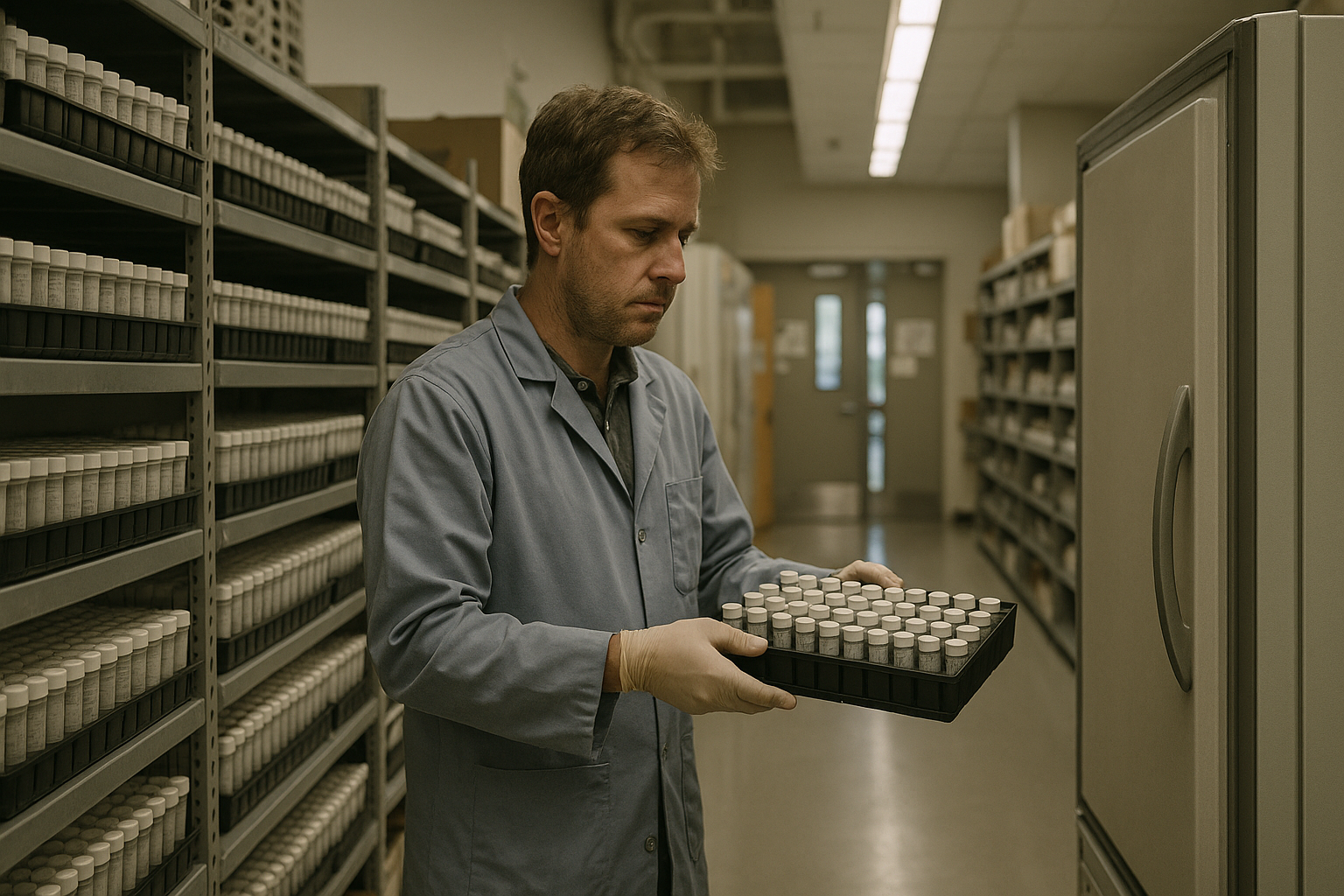
NIGMS lists R24-funded biological specimen resources on its program page, which catalogs repositories that serve the broader research community rather than a single institution's labs. Plasmid repositories like DNASU supply DNA constructs to researchers across academia and industry, making them a behind-the-scenes input for drug discovery and basic science work.
The full project record is available on NIH Reporter. The next milestone to watch is the first annual progress report, typically due 60 days before the project's first anniversary in August 2027.
Sources
Every factual claim in this article traces to one of the sources below. See how we work for the editorial process.
- reporter.nih.gov retrieved 10/08/2026 03:45
- dnasu.org retrieved 10/08/2026 03:45
- grantome.com retrieved 10/08/2026 03:45
- nigms.nih.gov retrieved 10/08/2026 03:45
- conductscience.com retrieved 10/08/2026 03:45
Authored by The Scottsdale Signal. Drafted by AI from primary-source material under our beat-specific editorial guides; reviewed by humans before publish under our five-gate process. Sources retrieved at 10/08/2026 03:45. Every claim traces to a source.