Highlights
- Sen. Mike Lee threatened to block $354 million in Inflation Reduction Act conservation funds if Lower Basin states sue over Colorado River water rights.
- The funds, which expire September 30, are central to the Lower Basin's May 1 proposal relying on voluntary conservation incentives.
- A federal draft plan would impose cuts up to 77% for Arizona if no interstate deal is reached before the Bureau of Reclamation finalizes its allocation plan.
- Interior Department officials confirmed they cannot accept either the Lower Basin or Upper Basin proposals as currently written.
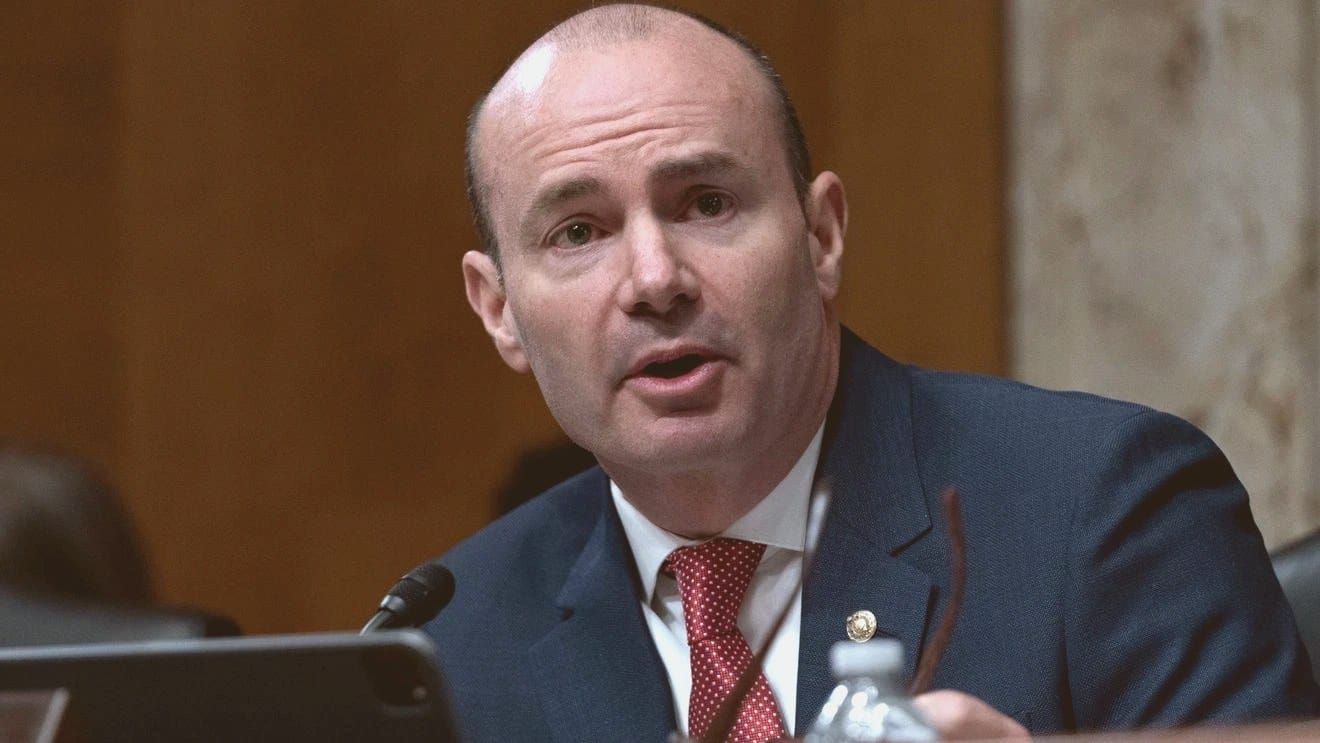
Sen. Mike Lee, the Republican chair of the Senate Energy and Natural Resources Committee, told Arizona and its Lower Basin partners Wednesday that they will lose access to roughly $354 million in federal conservation aid if they pursue litigation against Upper Basin states over Colorado River water rights.
The money comes from the Inflation Reduction Act, signed in 2022, which set aside $4 billion for drought mitigation and voluntary conservation compensation. The remaining $354 million expires when the federal fiscal year ends September 30. Funds not obligated by then revert to the Treasury.
"States that choose to sue their fellow basin states over Colorado River operations should not expect Congress to reward that decision with additional federal funding," Lee said at the outset of a Senate hearing on the seven-state stalemate. "Federal taxpayers should not be asked to subsidize litigation among the states."
The threat lands at a critical moment. Arizona, California and Nevada have been at odds with Colorado, Utah, New Mexico and Wyoming over how to divide the river's dwindling supply as a 19-year water-sharing deal expires at the end of 2026. The Lower Basin's most recent proposal, submitted May 1, relies on the $354 million to fund voluntary conservation as an alternative to mandatory cuts. Without the money, that framework collapses.
Key officials in both camps have told Cronkite News they are actively preparing for litigation.
The stakes for Arizona are severe. A Bureau of Reclamation draft plan issued in January includes a scenario imposing cuts up to 77% for Arizona, with Nevada facing a 6% reduction and other states continuing at current rates. The bureau, part of the Department of the Interior, plans to finalize a federally imposed allocation plan by September 30.
Arizona Sen. Ruben Gallego, a Democrat, pressed the Trump administration from the other direction, asking Interior Department Assistant Secretary for Water and Science Andrea Travnicek how the department plans to weigh Arizona's economic stakes. Gallego noted the state hosts the most advanced semiconductor manufacturing hub in the Western Hemisphere and argued its industries are essential to national priorities.
Travnicek said the department cannot accept either the Lower Basin or Upper Basin proposals as they currently stand, citing concerns and areas requiring adjustment. She confirmed that Interior is coordinating with the Energy Department and the U.S. Department of Agriculture, and said an interagency water subcabinet meeting was scheduled for Thursday.
Lee also warned that any proposal asking Upper Basin states to absorb greater operational burdens without regard to the river's existing legal framework would face a difficult path in Congress, and reminded the chamber that Congress holds approval authority over any long-term interstate compact.
The Bureau of Reclamation is expected to finalize its federally imposed allocation plan by September 30.
Sources
Every factual claim in this article traces to one of the sources below. See how we work for the editorial process.
- azmirror.com retrieved 11/06/2026 14:48
Authored by The Scottsdale Signal. Drafted by AI from primary-source material under our beat-specific editorial guides; reviewed by humans before publish under our five-gate process. Sources retrieved at 11/06/2026 14:48. Every claim traces to a source.