Highlights
- Frank Strada oversaw all three of Arizona's 2022 executions, each marked by prolonged IV-access failures, before Tennessee hired him to lead its corrections department in 2023.
- Tennessee's September 30, 2026, execution of Christa Pike failed after personnel spent an hour inserting an IV; Pike survived and was transported to a hospital in critical condition.
- An assistant federal defender found Tennessee's 2025 execution protocol copied language from Arizona's flawed 2022 protocol and, in some respects, relaxed its standards.
- Tennessee Governor Bill Lee announced a pause on all executions for the remainder of 2026 and ordered a third-party review of Pike's failed execution.
The official who oversaw Arizona's three troubled executions in 2022 was later hired to upgrade Tennessee's capital-punishment program. The result, according to a federal defender's 169-page briefing packet, was a protocol that recycled Arizona's flawed procedures and, in some respects, weakened them.
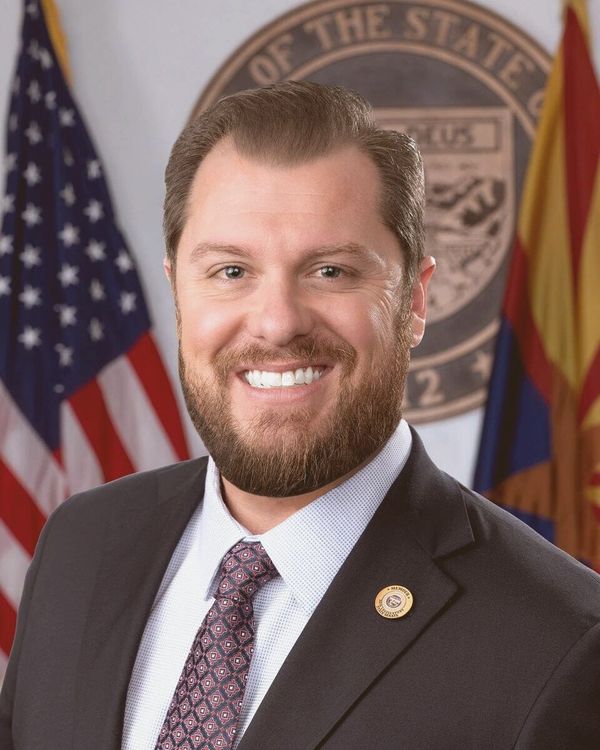
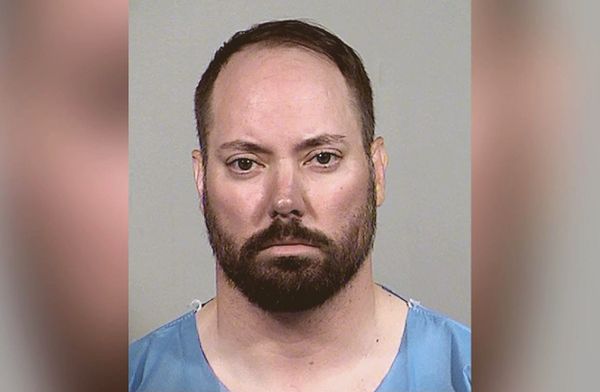
Frank Strada served as deputy director of Arizona's Corrections Department during those 2022 executions. Two of the three were prolonged by difficulties establishing IV access; in one case, the condemned prisoner himself suggested a viable vein after the execution team could not find one. In 2023, Tennessee named Strada head of its Department of Corrections, ostensibly to improve the state's execution procedures.
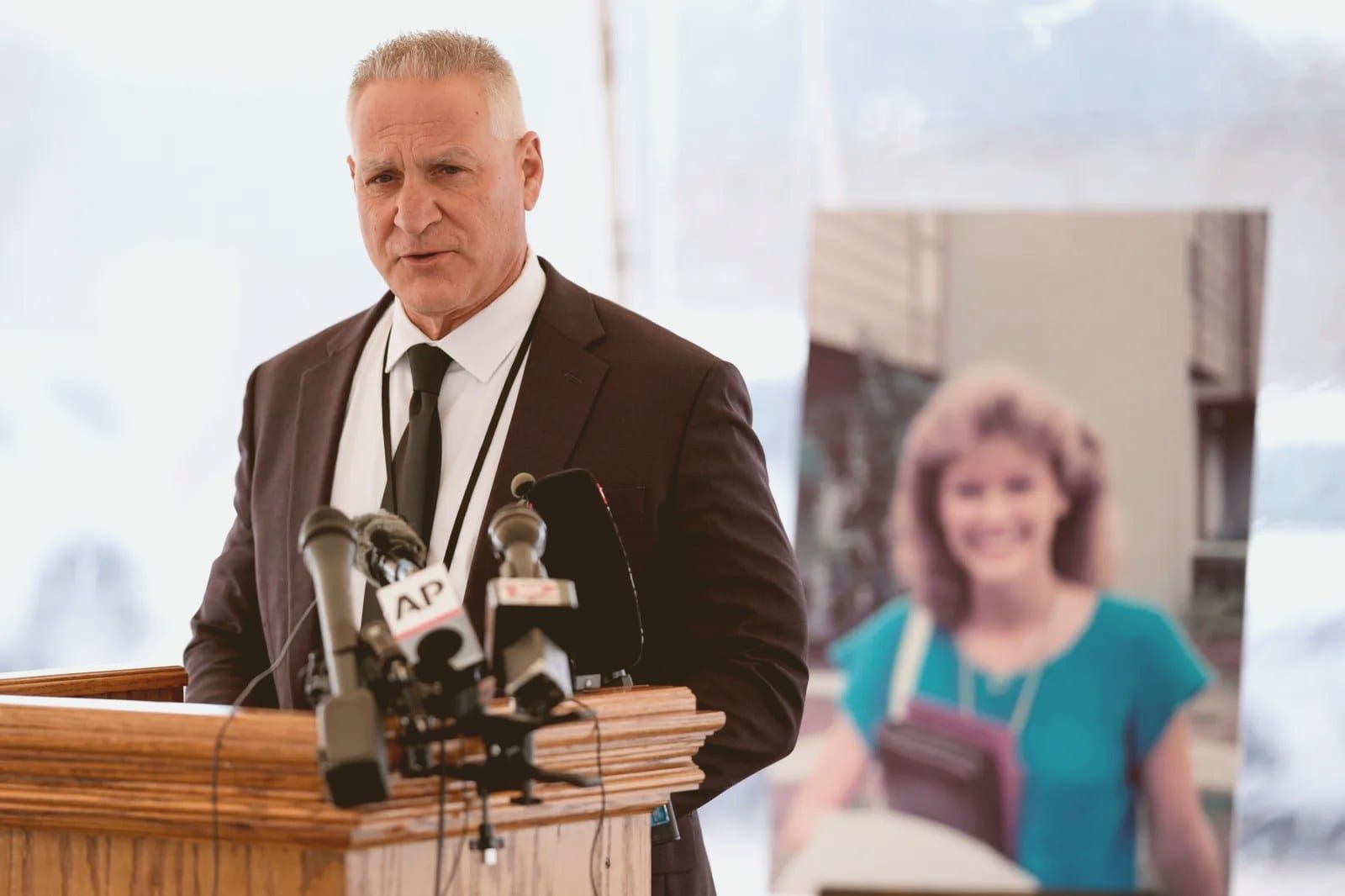
On September 30, 2026, Tennessee attempted to execute Christa Pike at Riverbend Maximum Security Prison in Nashville. Personnel spent roughly an hour trying to insert an IV catheter before they believed they had succeeded. Pike offered the technicians advice on placement and thanked them when they finished. After the first injection of the barbiturate pentobarbital, she was still talking and singing with her spiritual advisor. After the second injection, witnesses reported she was still breathing and snoring. Officials lowered the shades, removed witnesses, and transported Pike by ambulance to an off-site medical facility, where she remained in critical condition as of Thursday afternoon, according to Arizona Mirror reporting by Michael Kiefer. The Death Penalty Information Center reported she remained alive more than one hour after Tennessee began the procedure.
This was the second failed execution in Tennessee in less than five months. In May, the state canceled the execution of Tony Carruthers after corrections employees spent an hour attempting, and failing, to establish an IV line, puncturing him more than a dozen times.
Kit Thomas, an assistant federal defender in Tennessee, began investigating Strada's record after the Carruthers failure. Her briefing packet concluded that Strada had overseen three executions in Arizona, all marked by prolonged and problematic attempts to establish IV access, including invasive femoral procedures in which an incision is made in the groin to surgically insert a catheter. Thomas found that Tennessee's 2025 protocol, adopted under Strada, copied language from Arizona's 2022 protocol and gave executioners broader latitude to perform femoral central lines, a procedure Arizona treated as a last resort.
What did Arizona do differently after 2022?
When Ryan Thornell was appointed by Gov. Katie Hobbs to lead the Arizona Department of Corrections, Rehabilitation and Reentry, he overhauled the state's execution protocol. Three executions conducted under Thornell's oversight proceeded without incident. Thomas's briefing packet noted that Tennessee's protocol copied language from the version Arizona has since worked to correct.
Pike, 50, was sentenced to death for murdering a classmate in 1995, when she was 18. Her attorneys had warned before the execution that she had a blood disorder and a lifelong history of difficulty with routine blood draws, making catheter insertion riskier. Assistant federal defender Steve Ferrell said Pike had been concerned the procedure would fail exactly as it did. Her attorneys watched her arm turn purple and heard her comment on pain at the insertion site.
The Tennessee Department of Corrections issued a statement saying it followed every step of its lawful, established execution protocol approved by the Attorney General's Office and that the lethal injection chemical has consistently been effective. How much pentobarbital entered Pike's bloodstream is unknown; her attorneys said they were kept in the dark and do not know whether she suffered brain damage.
Dale Baich, a former federal defender in Phoenix, described the legal standard prisoners face in method-of-execution challenges: they must not only show a substantial risk of severe pain but also identify a feasible alternative method that would significantly reduce that risk, a standard he called extraordinarily difficult and often nearly impossible to meet.
The Strada connection has drawn coverage from The Guardian, CNN, NPR, and AZPM, each independently confirming his oversight role in both states.
Tennessee Governor Bill Lee announced a pause on all executions for the remainder of 2026 and ordered a comprehensive third-party review of Pike's failed execution. No date has been set for that review to conclude.
Sources
Every factual claim in this article traces to one of the sources below. See how we work for the editorial process.
- azmirror.com retrieved 02/10/2026 01:40
Authored by The Scottsdale Signal. Drafted by AI from primary-source material under our beat-specific editorial guides; reviewed by humans before publish under our five-gate process. Sources retrieved at 02/10/2026 01:40. Every claim traces to a source.