Highlights
- Attorney General Kris Mayes and Secretary of State Adrian Fontes wrote to the U.S. Attorney for Arizona demanding confirmation that voter data isn't being misused.
- A 30-page whistleblower account published Monday alleged USCIS employees have been querying state voter databases to flag so-called unlawful voters.
- Arizona law makes it a felony to share voter birthdates, Social Security numbers, and driver's license numbers outside authorized purposes.
- A U.S. Supreme Court ruling issued Friday complicates Mayes's legal theory, and her office says it is reviewing the decision's impact.
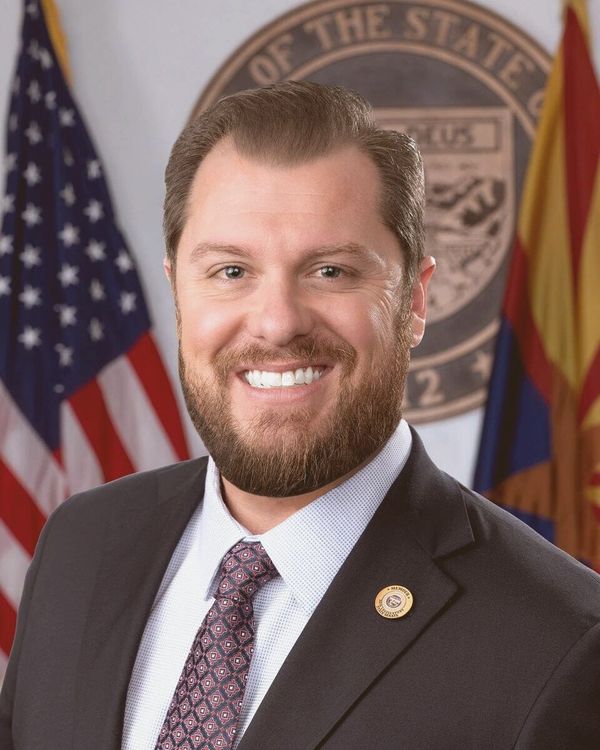
Arizona Attorney General Kris Mayes threatened to pursue criminal prosecution against the federal government this week after a whistleblower report alleged that U.S. Citizenship and Immigration Services employees have been using state voter registration databases to identify noncitizen voters, a practice she says may violate both federal and state privacy law.
In a letter sent to Timothy Courchaine, the U.S. Attorney for Arizona, Mayes and Secretary of State Adrian Fontes requested confirmation that Arizona voters' personal information is not being used in the initiative. "The State of Arizona stands ready to pursue all legal avenues, up to and including criminal prosecution, to safeguard the privacy of our voters and hold the federal government accountable to its obligations under the law," the two officials wrote.
The letter traces the data's path into federal hands. In March, the FBI subpoenaed records from the Arizona Senate related to its audit of the 2020 election. Those records included copies of Maricopa County's voter registration database. Mayes and Fontes said they are concerned that information is being used by federal officials in a new initiative to identify noncitizen voters.
The concern sharpened Monday when Democratic U.S. Senate Minority Leader Chuck Schumer and California U.S. Sen. Alex Padilla published a 30-page whistleblower account detailing how USCIS employees have been using state voter registration databases to look for what the report called "unlawful" voters.
What laws does Mayes say the federal government is breaking?
The Privacy Act of 1974 forbids federal agencies from compiling or using sensitive, personally identifying information without first publicizing the intended use and allowing a public comment period. At the state level, Arizona law makes it a felony to share the private information of voters, including birthdates, Social Security numbers, and driver's license numbers, unless for specific authorized purposes such as signature verification. Mayes argued that looking up a person on Arizona's statewide voter database or on Maricopa or Pima County's databases requires inputting a full name, date of birth, and driver's license number or the last four digits of a Social Security number, making any such search an inherent misuse of protected data.
Mayes also cited a recent court ruling holding that the U.S. Department of Homeland Security may not compile personal voter information to identify noncitizen voters. "The Court determined that personal identifying information may only be used for the intended purpose for which it was lawfully compiled," she wrote. "If DHS is in fact engaged in the conduct as alleged, it is at least circumventing and at worst directly violating that order."
That argument, however, ran into a significant complication Friday. The U.S. Supreme Court ruled that the federal government does have the right to create and publicize an online system compiling the personal information of voters, including citizenship status and Social Security numbers. The system, a modified version of the Systematic Alien Verification for Entitlements database, was originally used to verify the legal status of immigrants and determine their eligibility for public benefits; the Trump administration expanded it to allow state officials to search for noncitizens on their voter rolls. Multiple states have since used the revamped database to audit their voter rolls and remove voters flagged as ineligible, though the database is described in the Arizona Mirror's reporting as notorious for returning erroneous results.
How rare is noncitizen voting in practice?
A nationwide review of voter registrations has so far yielded 160 arrests out of 211 million registered voters, far short of the hundreds of thousands of noncitizen voters that the Trump administration and DHS have previously suggested were on the rolls. When noncitizen voting does occur, it is most often the result of administrative errors, according to the Mirror's reporting.
Richie Taylor, a spokesman for Mayes, said her office is currently reviewing the Supreme Court ruling and its impact on the legal theory underlying the letter. Whether the new ruling would also greenlight USCIS's work looking up individual voters through state databases remains an open legal question her office has not yet answered.
Mayes's office has not set a public deadline for Courchaine's response, but the letter's threat of criminal prosecution signals the dispute is likely to escalate before Arizona's November midterm elections.
Sources
Every factual claim in this article traces to one of the sources below. See how we work for the editorial process.
- azmirror.com retrieved 25/09/2026 23:34
Authored by The Scottsdale Signal. Drafted by AI from primary-source material under our beat-specific editorial guides; reviewed by humans before publish under our five-gate process. Sources retrieved at 25/09/2026 23:34. Every claim traces to a source.