Highlights
- 43 of 88 police-reported Waymo crashes in metro Phoenix from September 2020 through December 2024 were hit-and-runs.
- Waymo requires a warrant or court order before sharing footage, leaving multiple documented cases unsolved after officers made repeated requests.
- A George Mason University professor suspects Waymo may be protecting itself from exposure of phantom-braking incidents captured on its cameras.
- Arizona criminal defense attorney Josh Kolsrud says the problem is enforcement, not law, and urges closer coordination with the Maricopa County Attorney's Office.
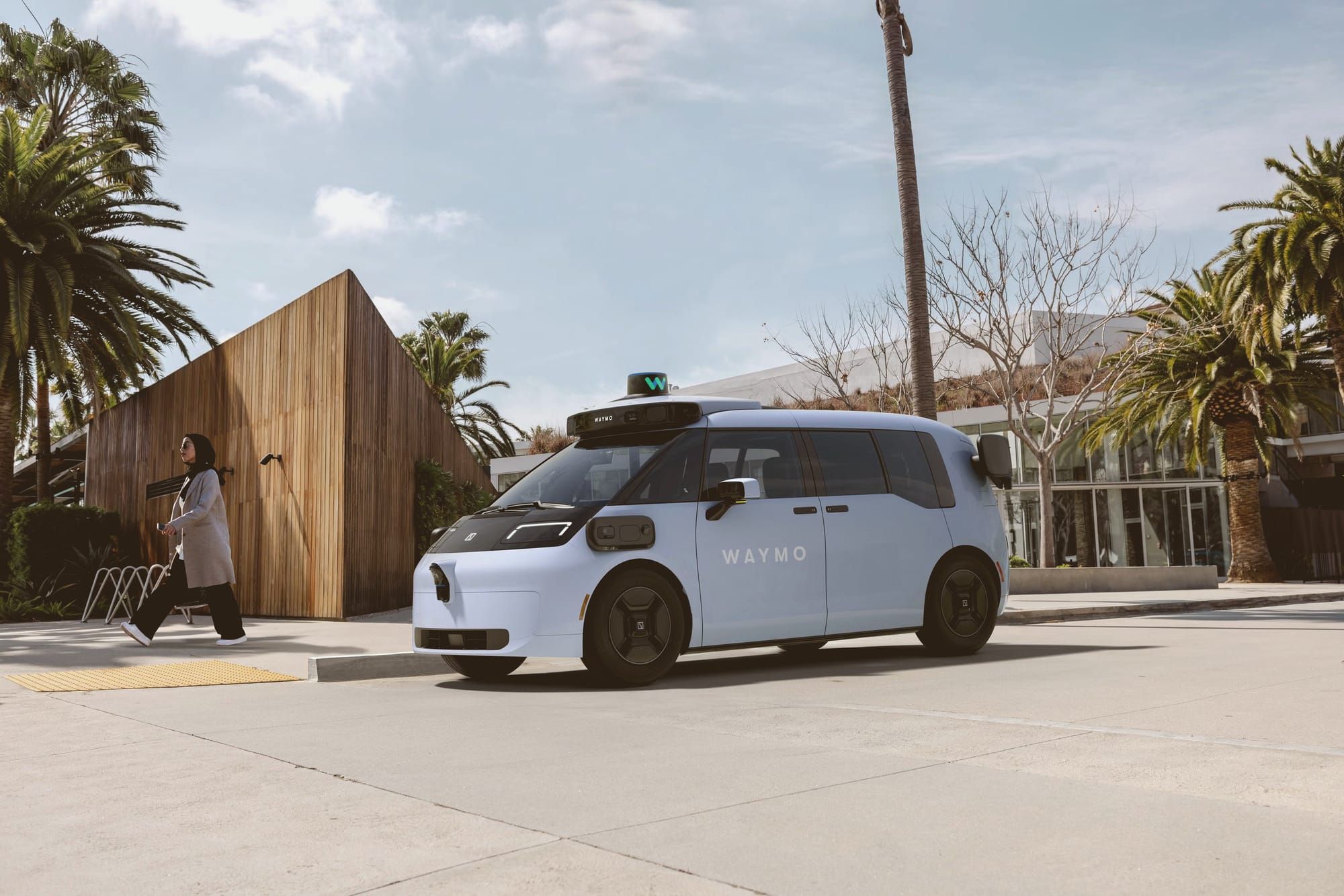
Waymo's robotaxis operate behind a wall of cameras, but when other drivers hit them and flee, the footage rarely reaches police. Arizona's Family reviewed police records showing that 43 of 88 Waymo crashes reported to law enforcement in metro Phoenix from September 2020 through December 2024 were hit-and-runs. Accounting for miles driven, Waymos were involved in police-reported hit-and-runs at 2.4 times the rate of other Maricopa County drivers.
The investigation, reported by Derek Staahl for Arizona's Family and corroborated by KPTV, found a recurring pattern: officers requested video from Waymo, the company declined to provide it, and cases went inactive.
In a 2023 Chandler crash, a passenger photographed the fleeing vehicle's license plate and handed it to police. Officers made repeated requests for Waymo footage and never received it. The case went inactive. That same year in Tempe, an SUV rear-ended a Waymo with a safety driver; police followed up twice seeking video, then suspended the investigation a month later without receiving it. In a 2024 Mesa crash, a Waymo representative cited privacy concerns when an SUV backed into the robotaxi, identified the suspect vehicle only as a silver Honda SUV, and told the officer he lacked authority to decide whether to press charges. The officer closed the case in the field.
In a separate 2024 Phoenix incident, a truck struck an empty Waymo and fled. A company roadside specialist told the responding officer he could not access the vehicle's cameras at the scene and that people above his pay grade controlled the footage. The officer noted in his report that the cameras would likely reveal additional information once reviewed. The case file ends there.
Why won't Waymo share its footage?
Waymo says it generally requires a warrant or court order before releasing video, and that its policy is to challenge, limit, or reject requests that do not have a valid legal basis or are overbroad. Camille Dredge, Waymo's senior director for ride-hail operations, told Arizona's Family in 2025 that privacy is a priority and that teams leverage footage when it makes sense to review cases.
Josh Kolsrud, an Arizona criminal defense attorney and former prosecutor, suspects the company may be trying to shield itself from liability. Missy Cummings, a George Mason University professor who studies autonomous vehicles, raised a related concern: companies may be reluctant to release footage that could expose phantom braking, when a self-driving vehicle suddenly brakes for something that isn't there. "If they turn over the footage in a court of law, the phantom braking problem will become very obvious,
Sources
Every factual claim in this article traces to one of the sources below. See how we work for the editorial process.
- AZ Family (3TV/CBS5) retrieved 12/11/2026 02:23
Authored by The Scottsdale Signal. Drafted by AI from primary-source material under our beat-specific editorial guides; reviewed by humans before publish under our five-gate process. Sources retrieved at 12/11/2026 02:23. Every claim traces to a source.